
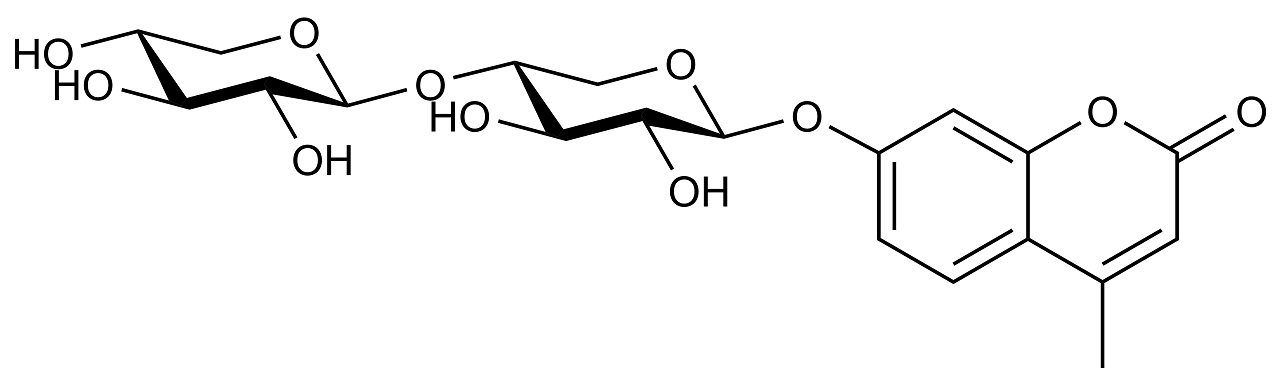
4-Methylumbelliferyl-β-xylobioside
10 mg
This product has been discontinued
These products have been discontinued (read more).
High purity 4-Methylumbelliferyl-β-xylobioside for use in research, biochemical enzyme assays and in vitro diagnostic analysis.
A fluorogenic substrate for assay of xylanase and xlyosidase activity.
Data booklets for each pack size are located in the Documents tab.
Related Products
Similar Products
Related Carbohydrates
Associated Enzymes
Publications

Mangan, D., Cornaggia, C., Liadova, A., McCormack, N., Ivory, R., McKie, V. A., Ormerod, A. & McCleary, D. V. (2017). Carbohydrate Research, 445, 14-22.
Mangan, D., Cornaggia, C., Liadova, A., McCormack, N., Ivory, R., McKie, V. A., Ormerod, A. & McCleary, D. V. (2017). Carbohydrate Research, 445, 14-22.
endo-1,4-β-Xylanase (EC 3.2.1.8) is employed across a broad range of industries including animal feed, brewing, baking, biofuels, detergents and pulp (paper). Despite its importance, a rapid, reliable, reproducible, automatable assay for this enzyme that is based on the use of a chemically defined substrate has not been described to date. Reported herein is a new enzyme coupled assay procedure, termed the XylX6 assay, that employs a novel substrate, namely 4,6-O-(3-ketobutylidene)-4-nitrophenyl-β-45-O-glucosyl-xylopentaoside. The development of the substrate and associated assay is discussed here and the relationship between the activity values obtained with the XylX6 assay versus traditional reducing sugar assays and its specificity and reproducibility were thoroughly investigated.
Versatile high resolution oligosaccharide microarrays for plant glycobiology and cell wall research.
Pedersen, H. L., Fangel, J. U., McCleary, B., Ruzanski, C., Rydahl, M. G., Ralet, M. C., Farkas, V., Von Schantz, L., Marcus, S. E., Andersen, M.C. F., Field, R., Ohlin, M., Knox, J. P., Clausen, M. H. & Willats, W. G. T. (2012). Journal of Biological Chemistry, 287(47), 39429-39438.
Versatile high resolution oligosaccharide microarrays for plant glycobiology and cell wall research.
Pedersen, H. L., Fangel, J. U., McCleary, B., Ruzanski, C., Rydahl, M. G., Ralet, M. C., Farkas, V., Von Schantz, L., Marcus, S. E., Andersen, M.C. F., Field, R., Ohlin, M., Knox, J. P., Clausen, M. H. & Willats, W. G. T. (2012). Journal of Biological Chemistry, 287(47), 39429-39438.
Microarrays are powerful tools for high throughput analysis, and hundreds or thousands of molecular interactions can be assessed simultaneously using very small amounts of analytes. Nucleotide microarrays are well established in plant research, but carbohydrate microarrays are much less established, and one reason for this is a lack of suitable glycans with which to populate arrays. Polysaccharide microarrays are relatively easy to produce because of the ease of immobilizing large polymers noncovalently onto a variety of microarray surfaces, but they lack analytical resolution because polysaccharides often contain multiple distinct carbohydrate substructures. Microarrays of defined oligosaccharides potentially overcome this problem but are harder to produce because oligosaccharides usually require coupling prior to immobilization. We have assembled a library of well characterized plant oligosaccharides produced either by partial hydrolysis from polysaccharides or by de novo chemical synthesis. Once coupled to protein, these neoglycoconjugates are versatile reagents that can be printed as microarrays onto a variety of slide types and membranes. We show that these microarrays are suitable for the high throughput characterization of the recognition capabilities of monoclonal antibodies, carbohydrate-binding modules, and other oligosaccharide-binding proteins of biological significance and also that they have potential for the characterization of carbohydrate-active enzymes.
Safety Information
Download Safety Data Sheet
Select a specific region and the Safety Data Sheet will open in a new window. Please make sure your browser doesn’t block pop-up windows

Receive Megazyme’s latest articles, news, product introductions and promotions
Customers also viewed
4-Methylumbelliferyl-β-xylobioside
O-4MUX2-5MG5 mg
4-Methylumbelliferyl-β-xylobioside
O-4MUX2-10MG10 mg
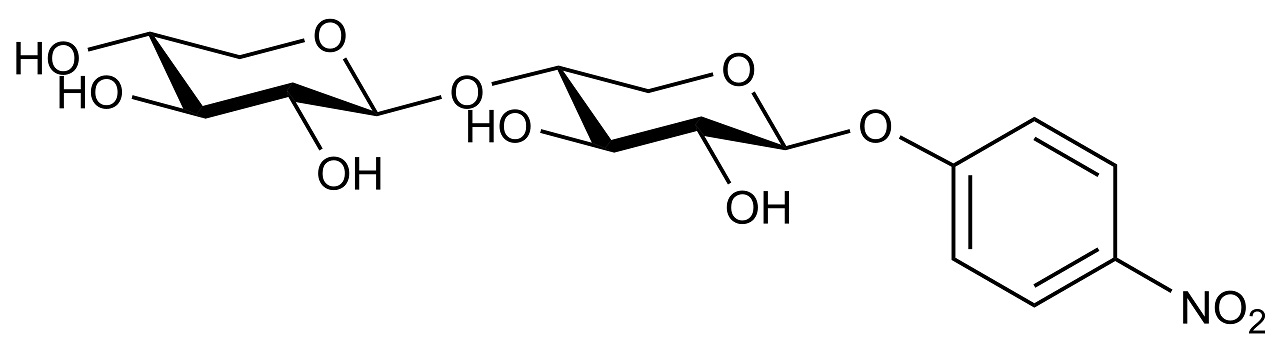
4-Nitrophenyl-β-xylobioside
O-PNPX2-10MG10 mg
4-Nitrophenyl-β-xylobioside
O-PNPX2-50MG50 mg
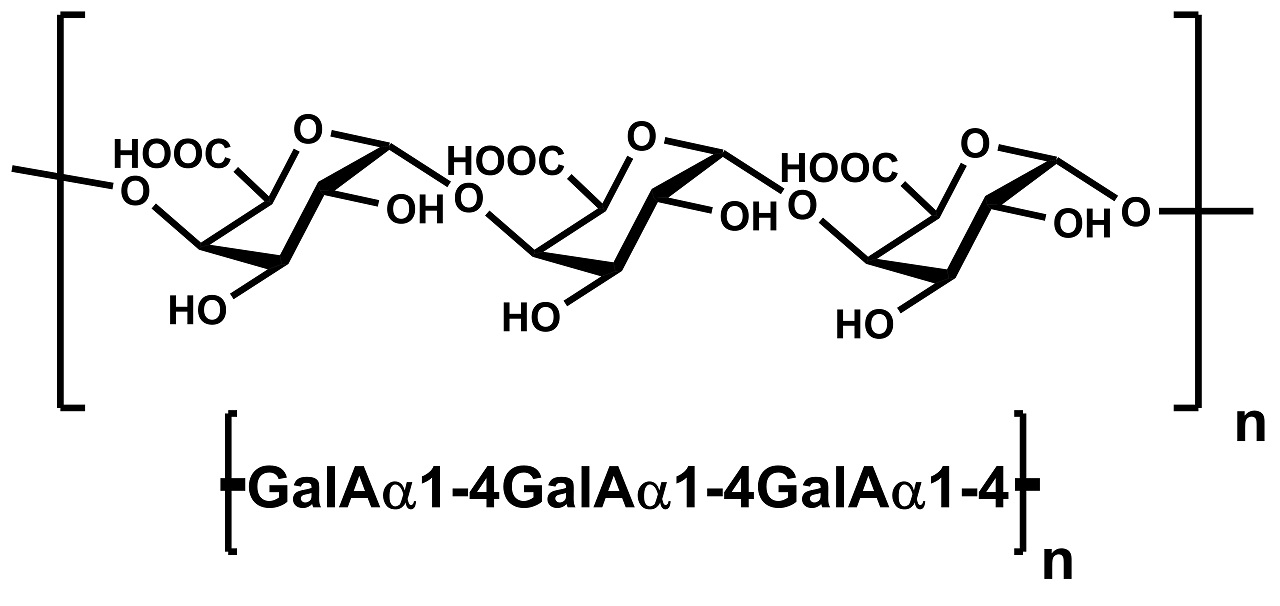
Polygalacturonic Acid (from Citrus Pectin)
P-PGACIT-10G10 g
Polygalacturonic Acid (from Citrus Pectin)
P-PGACIT-50G50 g
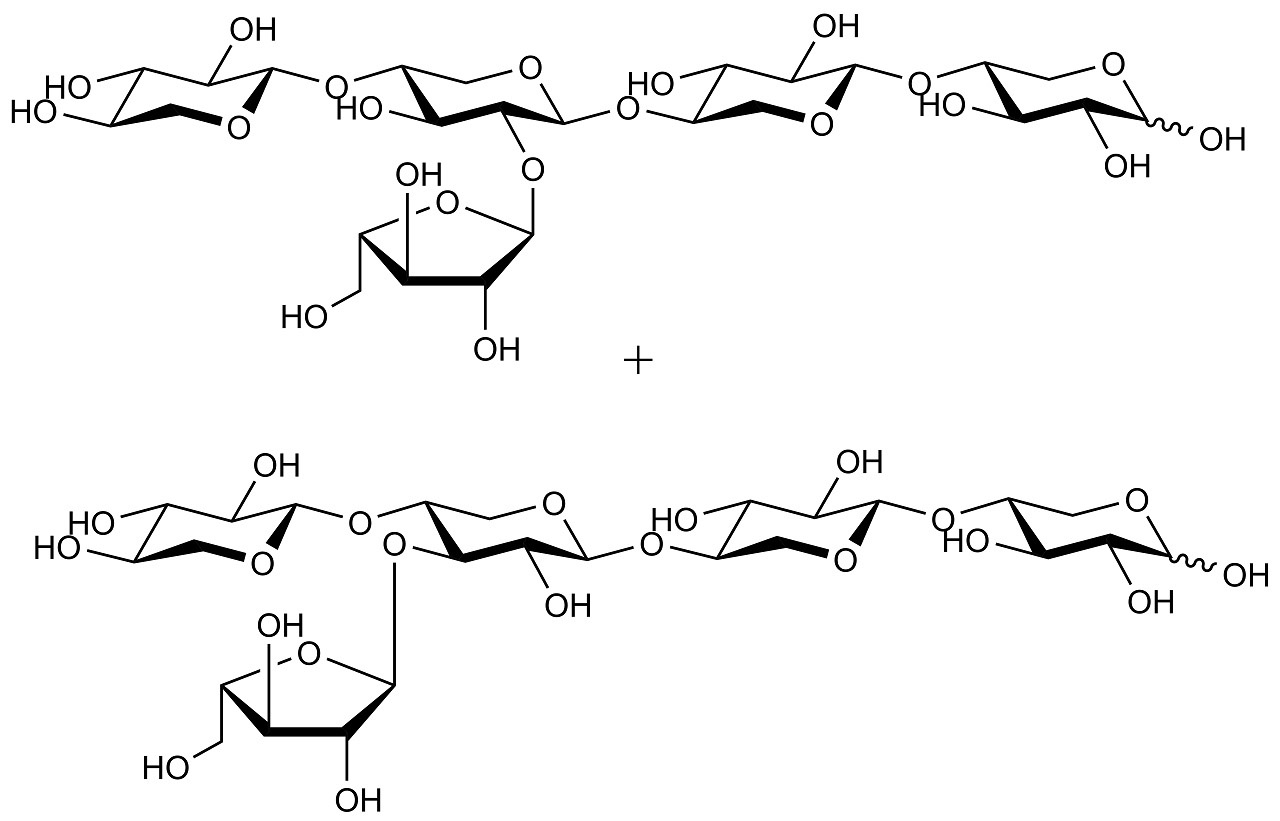
33-α-L- plus 23-α-L-Arabinofuranosyl-xylotetraose (XA3XX/XA2XX) mixture
O-XAXXMIX-10MG10 mg
33-α-L- plus 23-α-L-Arabinofuranosyl-xylotetraose (XA3XX/XA2XX) mixture
O-XAXXMIX-30MG30 mg
Invertase
E-INVPD-2G2 g
Invertase
E-INVPD-5G5 g


