
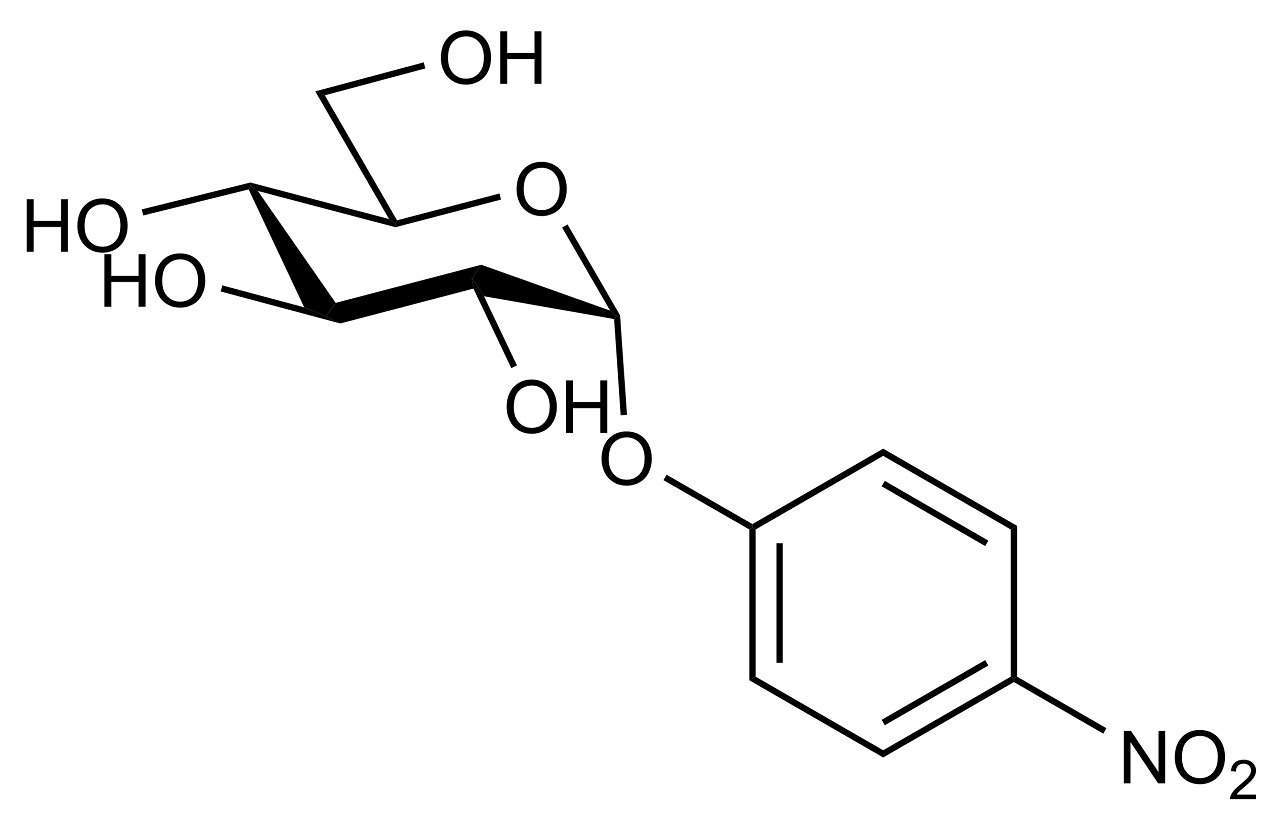
4-Nitrophenyl-α-D-glucopyranoside
2 g
This product has been discontinued
This product has been discontinued (read more).
High purity 4-Nitrophenyl-α-D-glucopyranoside for use in research, biochemical enzyme assays and in vitro diagnostic analysis. This is a colourimetric substrate for the measurement of α-glucosidase activity.
See our full list of colourimetric oligosaccharides.
Related Products
Similar Products
Related Carbohydrates
Associated Enzymes
Publications

Diastatic power and maltose value: a method for the measurement of amylolytic enzymes in malt.
Charmier, L. M., McLoughlin, C. & McCleary, B. V. (2021). Journal of the Institute of Brewing, In Press.
Diastatic power and maltose value: a method for the measurement of amylolytic enzymes in malt.
Charmier, L. M., McLoughlin, C. & McCleary, B. V. (2021). Journal of the Institute of Brewing, In Press.
A simple method for measurement of the amylolytic activity of malt has been developed and fully evaluated. The method, termed the Maltose Value (MV) is an extension of previously reported work. Here, the MV method has been studied in detail and all aspects of the assay (sample grinding and extraction, starch hydrolysis, maltose hydrolysis and determination as glucose) have been optimised. The method is highly correlated with other dextrinising power methods. The MV method involves extraction of malt in 0.5% sodium chloride at 30°C for 20 minutes followed by filtration; incubation of an aliquot of the undiluted filtrate with starch solution (pH 4.6) at 30°C for 15 min; termination of reaction with sodium hydroxide solution; dilution of sample in an appropriate buffer; hydrolysis of maltose with a specific α-glucosidase; glucose determination and activity calculation. Unlike all subsequent reducing sugar methods, the maltose value method measures a defined reaction product, maltose, with no requirement to use equations to relate analytical values back to Lintner units. The maltose value method is the first viable method in 130 years that could effectively replace the 1886 Lintner method.
Safety Information
Download Safety Data Sheet
Select a specific region and the Safety Data Sheet will open in a new window. Please make sure your browser doesn’t block pop-up windows

Receive Megazyme’s latest articles, news, product introductions and promotions
Customers also viewed
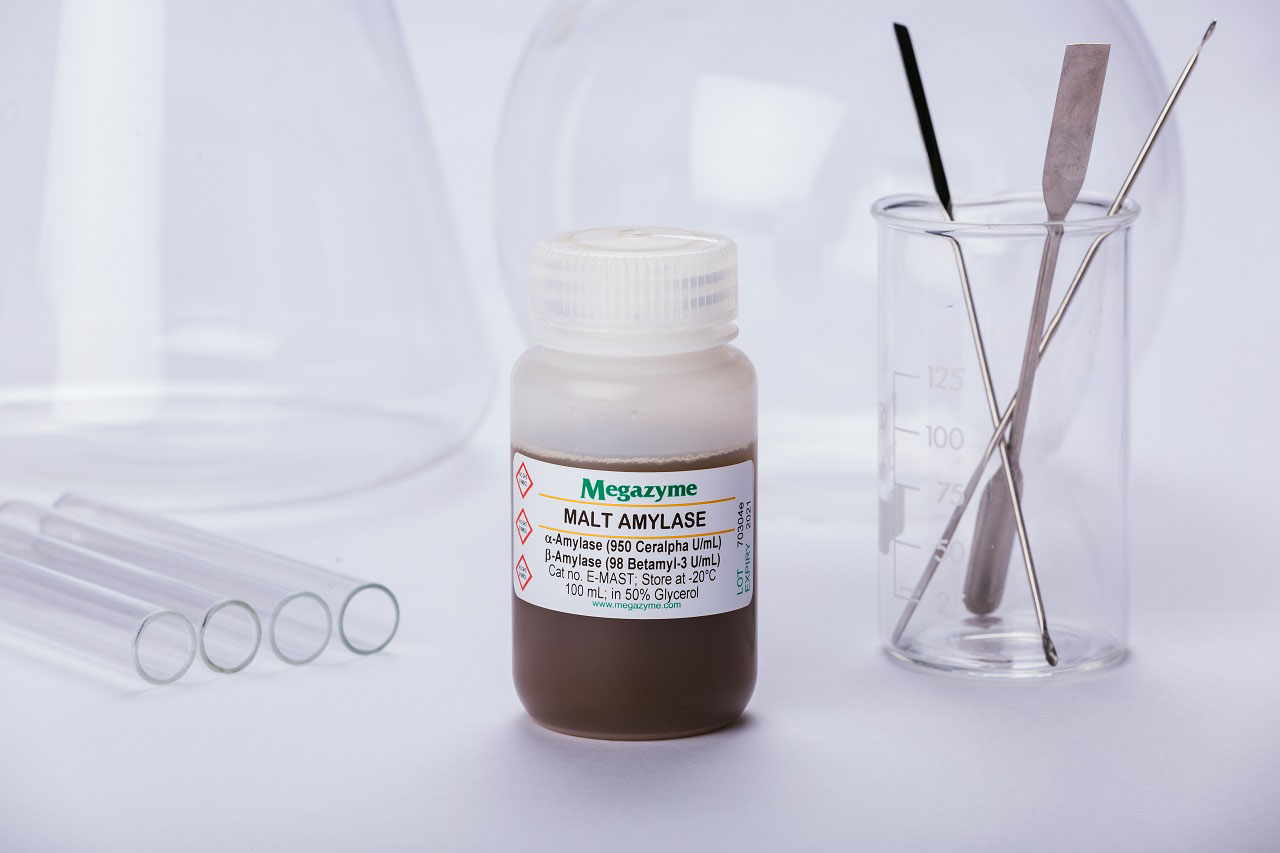
ASBC Apparent Diastatic Power ~ 14,700 OLintner;
EBC Apparent Diastatic Power ~ 52,720 OWK
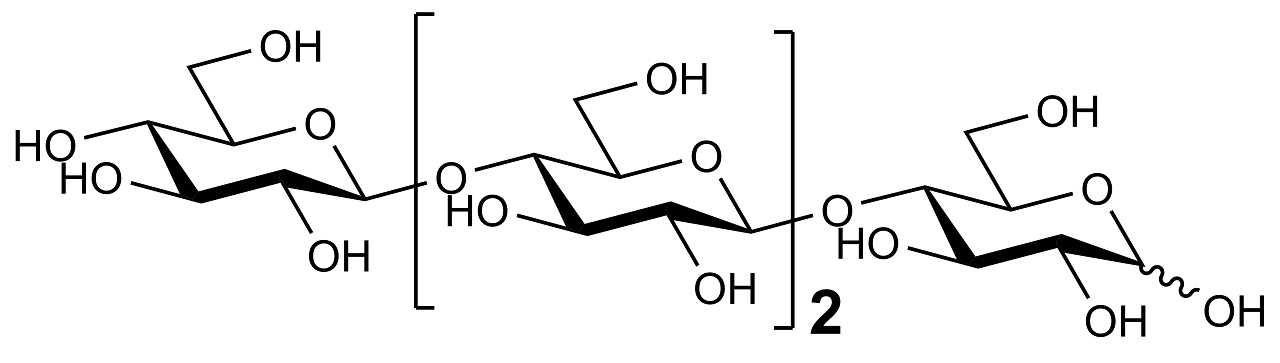
Cellotetraose
700004948 / O-CTE-50MG50 mg
Cellotetraose
Discontinued / O-CTE-100MG100 mg


