

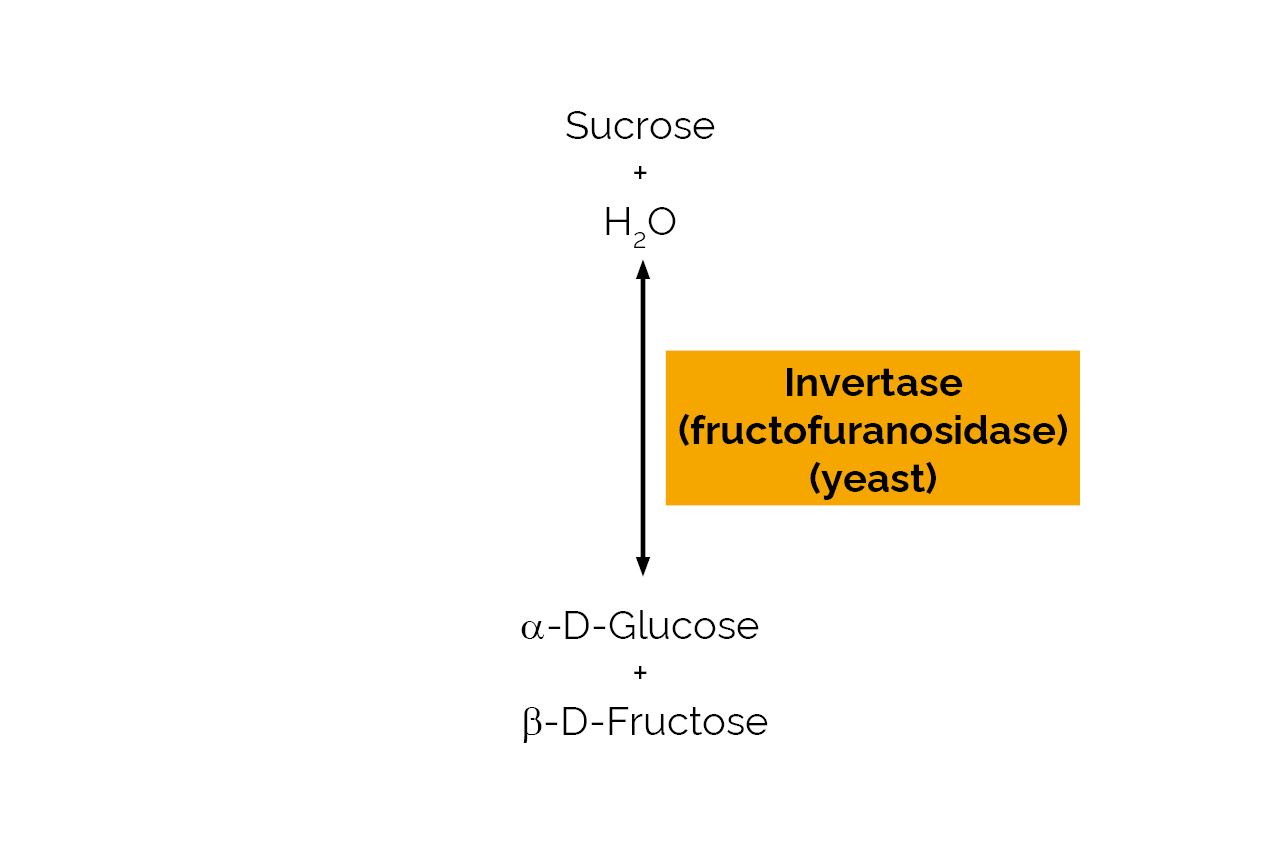
Invertase
2 g
This product has been discontinued
Related Products
Associated Enzymes
Publications

Effect of different fermentation condition on estimated glycemic Index, In Vitro starch digestibility, and textural and sensory properties of sourdough bread.
Demirkesen-Bicak, H., Arici, M., Yaman, M., Karasu, S. & Sagdic, O. (2021). Foods, 10(3), 514.
Effect of different fermentation condition on estimated glycemic Index, In Vitro starch digestibility, and textural and sensory properties of sourdough bread.
Demirkesen-Bicak, H., Arici, M., Yaman, M., Karasu, S. & Sagdic, O. (2021). Foods, 10(3), 514.
This study aimed to evaluate the influence of sourdough fermentation on the estimated glycemic index (eGI), in vitro starch digestibility, and textural and sensory properties of eight experimentally prepared sourdough breads. Wheat and whole wheat flour bread samples were produced under different fermentation conditions (25°C and 30°C) and fermentation methods (type-1 and type-2). In type-1 fermentation, sourdough was obtained via spontaneous fermentation. Indigenous strains (Lactobacillus brevis ELB99, Lactiplantibacillus plantarum ELB75, and Saccharomyces cerevisiae TGM55) were used for type-2 fermentation. Fermentation type and temperature significantly affected eGI, the hydrolysis index (HI), the starch fraction, and the textural properties of the samples (p < 0.05). The resistant starch (RS) content increased after fermentation, while rapidly digestible starch (RDS), HI, and eGI decreased. RS values were significantly higher in type-2 than in type-1 at the same temperature for both flour types (p < 0.05). At 25°C, RS values were higher in both fermentation types. In the white flour samples, eGI values were in the range of 60.8-78.94 and 62.10-78.94 for type-1 and type-2, respectively. The effect of fermentation type on eGI was insignificant (p < 0.05). In the whole flour samples, fermentation type and temperature significantly affected eGI (p < 0.05). The greatest eGI decreases were in whole wheat sourdough bread at 30°C using type-2 (29.74%). The 30°C and type-2 samples showed lower hardness and higher specific volume. This study suggests that fermentation type and temperature could affect the eGI and the textural and sensory properties of sourdough bread, and these factors should be considered during bread production. The findings also support the consumption of wheat and whole wheat breads produced by type-2 fermentation due to higher RS and slowly digestible starch (SDS) and lower RDS and eGI values.
Traditional and non-conventional pasta-making processes: Effect on in vitro starch digestibility.
Dodi, R., Bresciani, L., Biasini, B., Cossu, M., Scazzina, F., Taddei, F., D'Egidio, M. G., Dall'Asta, M. & Martini, D. (2021). Foods, 10(5), 921.
Traditional and non-conventional pasta-making processes: Effect on in vitro starch digestibility.
Dodi, R., Bresciani, L., Biasini, B., Cossu, M., Scazzina, F., Taddei, F., D'Egidio, M. G., Dall'Asta, M. & Martini, D. (2021). Foods, 10(5), 921.
Pasta is a carbohydrate-rich food with a low glycemic index (GI) and is one of the main sources of slowly digestible starch (SDS). The presence of bran fractions (BFs) in pasta may enhance its health potential, owing to the content of fiber, micronutrients, and bioactive compounds; however, at the same time, BF may affect starch digestibility. In this study, the bioaccessibility of starch in pasta made with BF-enriched semolina (BF pasta), or only with micronized debranned kernel (DK pasta), and a control pasta made with traditional semolina was evaluated by applying two different in vitro models. The control pasta showed a percentage of SDS about four-fold higher than that of the BF pasta and 1.5-fold higher than that of the DK pasta (p < 0.05). The amount of starch released during simulated gastrointestinal digestion was slightly lower, but not significantly different, for the control pasta than for both the BF and DK pasta. These results suggest that the presence of a higher amount of dietary fiber in BF pasta can affect the structure of the food matrix, interfering with the formation of the gluten network, water absorption, and starch granule accessibility, while micronization could enhance starch digestibility due to starch gelatinization. These findings emphasize the need to optimize the process for producing fiber-rich pasta without affecting its low starch digestibility and, consequently, its GI.
Effect of Grape Pomace Addition on the Technological, Sensory, and Nutritional Properties of Durum Wheat Pasta.
Tolve, R., Pasini, G., Vignale, F., Favati, F. & Simonato, B. (2020). Foods, 9(3), 354.
Effect of Grape Pomace Addition on the Technological, Sensory, and Nutritional Properties of Durum Wheat Pasta.
Tolve, R., Pasini, G., Vignale, F., Favati, F. & Simonato, B. (2020). Foods, 9(3), 354.
In this study, fortified pasta was prepared by replacing semolina with 0, 5, and 10 g/100 g of grape pomace (GP), a food industry by-product, rich in fiber and phenols. GP inclusion in pasta significantly reduced its optimum cooking time and the swelling index, while also increasing the cooking loss (p < 0.05). Furthermore, pasta firmness and adhesiveness were enhanced by the GP addition, as well as the total phenol content and the antioxidant activity, evaluated through ABTS and FRAP assays (p < 0.05). From a nutritional point of view, increasing amounts of GP resulted in a significative decrease in the rapidly digestible starch and an increase in the slowly digestible starch, while the predicted in vitro glycemic index was also reduced (p < 0.05). Sensory analysis showed that fortified spaghetti had good overall acceptability, and the results suggest that GP-fortified pasta could represent a healthy product with good technological and sensory properties.
Physicochemical and sensory properties of steamed bread fortified with purple sweet potato flour.
Zhu, F. & Sun, J. (2019). Food Bioscience, 30, 100411.
Physicochemical and sensory properties of steamed bread fortified with purple sweet potato flour.
Zhu, F. & Sun, J. (2019). Food Bioscience, 30, 100411.
Whole purple sweet potato flour (PSP) is rich in various nutrients such as anthocyanins and dietary fiber. Chinese steamed bread (CSB) is a fermented food eaten by Chinese populations. Freeze-dried PSP was incorporated into CSB formulations up to 50%. The physicochemical and sensory properties of the resulting CSB were studied. The results showed that PSP addition up to 50% increased the antioxidant activities of CSB, while reducing the glycemic response. The total polyphenol/anthocyanin contents of CSB increased with increasing PSP level, although a portion of these polyphenols were lost during CSB production. PSP addition up to 50% had little effect on the water activity and water content of CSB and increased the hardness, while decreasing the specific volume. CSB with 5-10% PSP improved the overall sensory acceptance. PSP can be used in CSB up to 10% with wheat flour to enhance the functional properties of CSB without compromising eating quality.
Evaluation of protein digestibility of fermented soybeans and changes in biochemical characteristics of digested fractions.
Ketnawa, S. & Ogawa, Y. (2019). Journal of Functional Foods, 52, 640-647.
Evaluation of protein digestibility of fermented soybeans and changes in biochemical characteristics of digested fractions.
Ketnawa, S. & Ogawa, Y. (2019). Journal of Functional Foods, 52, 640-647.
This study evaluated the protein digestibility of fermented soybeans inoculated with Bacillus subtilis var. natto using a simulated in vitro gastrointestinal digestion model. It was found that the total trichloroacetic acid (TCA)-soluble peptide yield increased when the digestion stage progressed and compared to those of fermented soybeans before digestion. Most high molecular weight proteins disappeared after 4 h of digestion. All essential amino acids were found to increase remarkably (~4%), especially Arg. Antioxidant amino acids such as Tyr, His and Phe were also found to increase. The highest antioxidant activity was found in the fractions after digestion corresponding to the antioxidant amino acids obtained. An increase in nitric oxide inhibition (9-29%) and a decrease in egg albumin denaturation activity (73-48%) were observed. Fermentation improved the protein digestibility of boiled soybeans by 45% and may benefit human health due to an improvement in essential amino acids and bioactivity through digestion.
Comparative study on protein digestibility, protein patterns, antioxidant activities of raw, cooked and fermented soybeans.
Ketnawa, S. & Ogawa, Y. (2018). Journal of Food Science and Agricultural Technology (JFAT), 4, 7-16.
Comparative study on protein digestibility, protein patterns, antioxidant activities of raw, cooked and fermented soybeans.
Ketnawa, S. & Ogawa, Y. (2018). Journal of Food Science and Agricultural Technology (JFAT), 4, 7-16.
Soybean (Glycine max L. Merr.) is a versatile food source with protein, polyunsaturated fats, fiber, vitamins, minerals and other essential nutrients for humans. The purpose of this study is to compare the protein digestibility among raw, cooked and fermented soybeans (Natto) inoculated with Bacillus subtilis var. natto using simulated in vitro gastrointestinal digestion technique (IVD). Amino acid composition and antioxidant activity change during IVD of Natto were also investigated. It was found that trichloroacetic (TCA) soluble peptide yield increased around 46 and 62% in Natto and cooked soybean after IVD, respectively. The soluble protein fractions of cooked soybean and Natto during IVD were digested from large protein fraction into smaller protein sub-fraction observed by sodium dodecyl sulfate-polyacrylamide gel electrophoresis (SDS-PAGE). After IVD, all essential amino acid especially Arg was found to remarkable increase for 6-fold and 49-fold in cooked soybean and Natto, respectively (P<0.05). Interestingly, antioxidant properties increased when IVD times were increased (P<0.05). The increment of antioxidant activities was 2-4 fold changing between before and after IVD. This can be supported by an increment in antioxidant amino acid composition (Trp, Tyr, Met, Cys, His, Phe and Pro) in IVD digested fractions especially in Natto. The highest antioxidant activity was found in fraction after IVD of Natto. These results indicated that Natto had better digestibility and antioxidant activity compared to raw and cooked soybeans.
Safety Information
Download Safety Data Sheet
Select a specific region and the Safety Data Sheet will open in a new window. Please make sure your browser doesn’t block pop-up windows

Receive Megazyme’s latest articles, news, product introductions and promotions
Customers also viewed

Invertase
E-INVPD-2G2 g
Invertase
E-INVPD-5G5 g

Amyloglucosidase (Aspergillus niger)
E-AMGFR-500MG500 mg
Amyloglucosidase (Aspergillus niger)
E-AMGFR-100MG100 mg

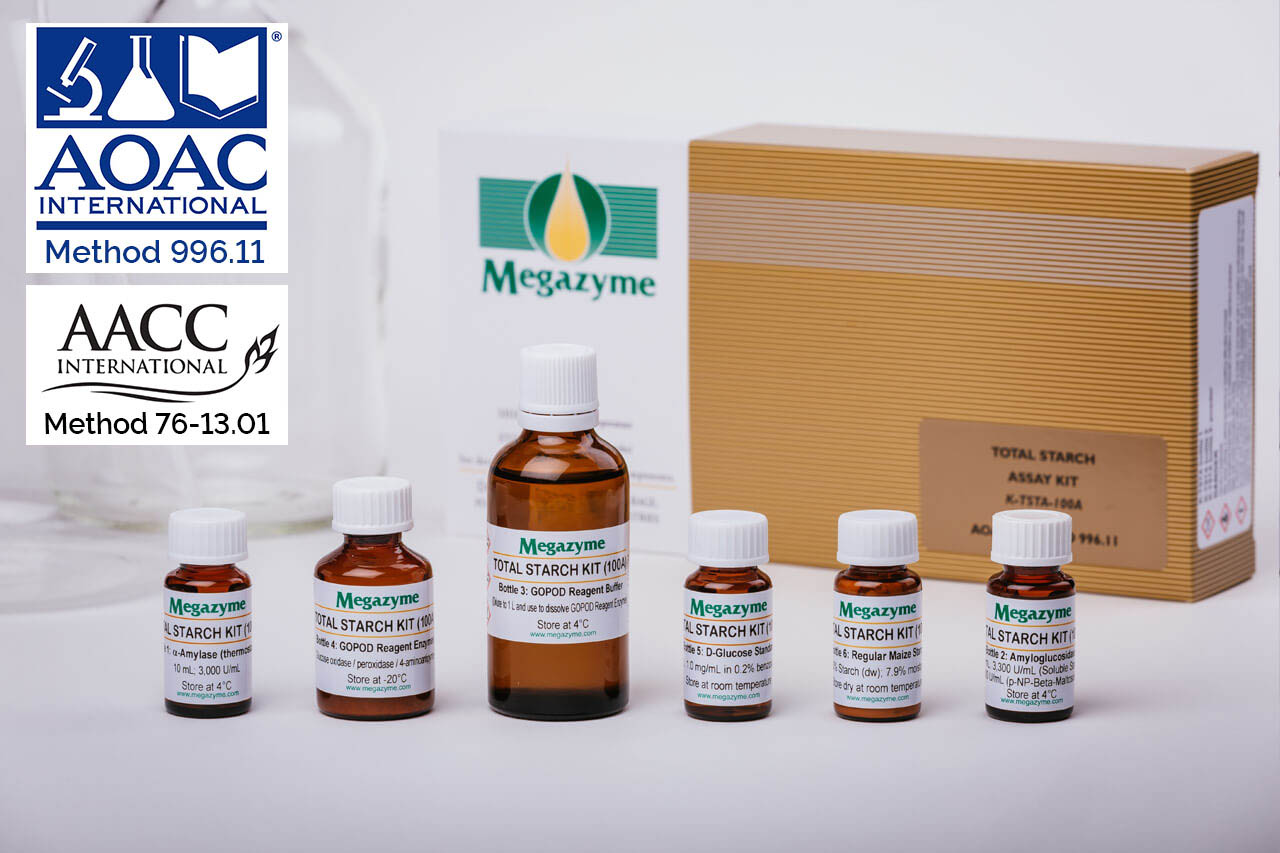
Total Starch Assay Kit (AA/AMG)
700004351 / K-TSTA-100A100 assays
Total Starch Assay Kit (AA/AMG)
Discontinued / K-TSTA-50A50 assays


