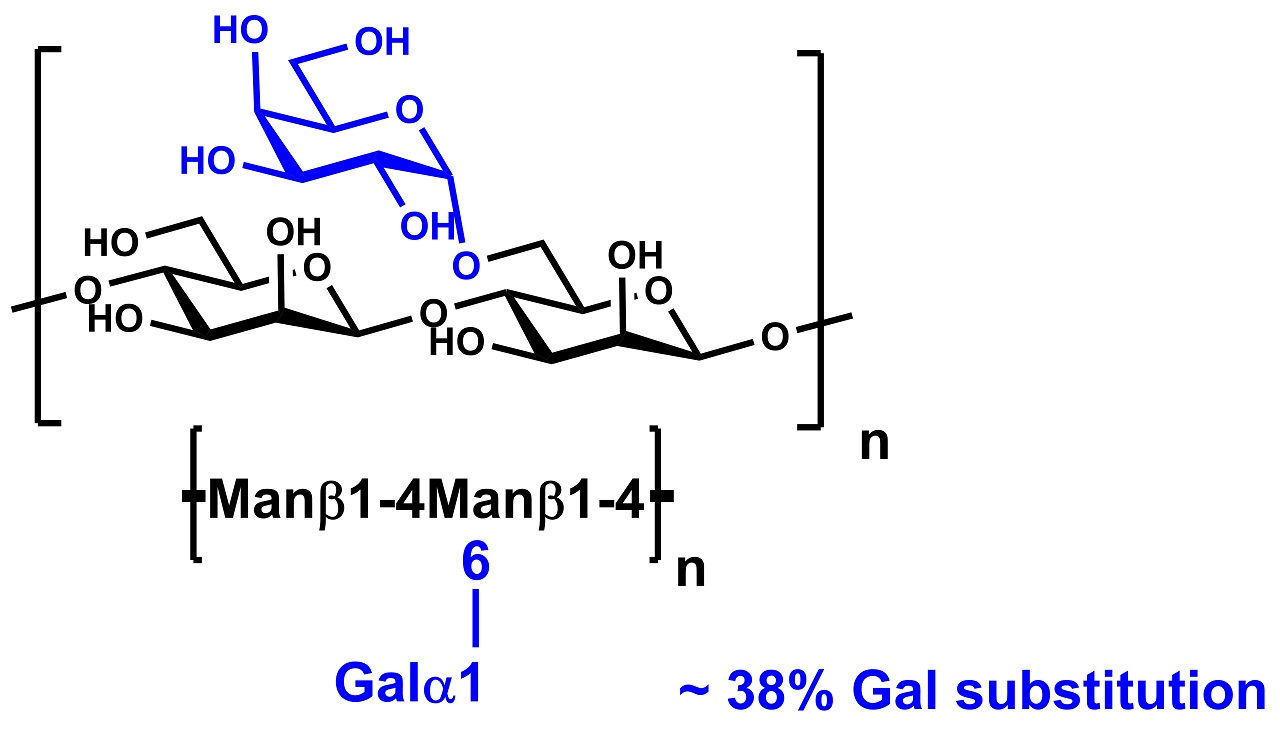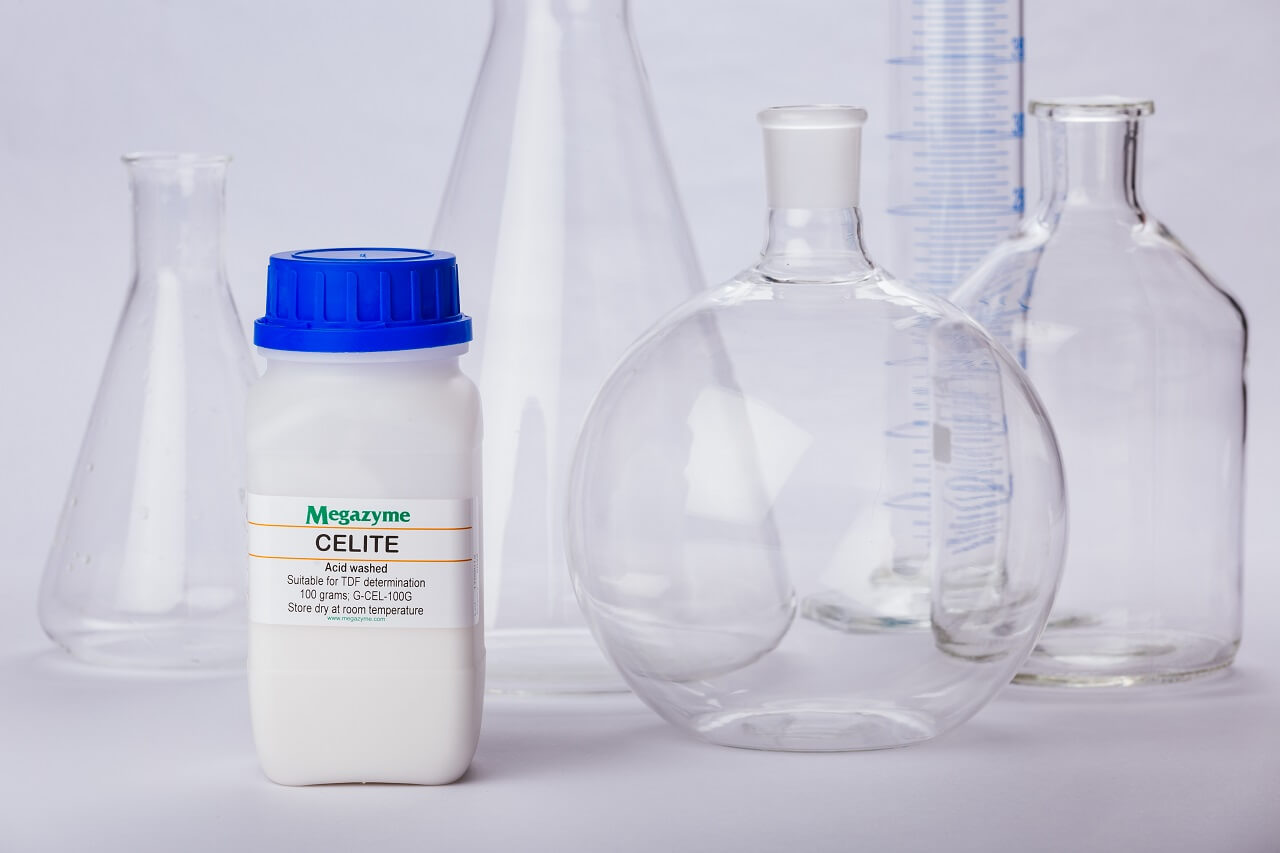
Celite
100 g
This product has been discontinued
The G-CEL-100G pack size has been discontinued (read more).
Celite, acid washed. For use in total dietary fiber assay procedures.
Browse our full list of celite, resins and general chemicals.
Data booklets for each pack size are located in the Documents tab.
Related Products
Similar Products
Publications

Effect of psyllium husk soluble fibre as starch replacer in noodles made from spent brewers’ grains.
Neo, B., Yu, L. L. & Huang, D. (2024). LWT, 117214.
Effect of psyllium husk soluble fibre as starch replacer in noodles made from spent brewers’ grains.
Neo, B., Yu, L. L. & Huang, D. (2024). LWT, 117214.
Noodles are a staple food for many but typically have high starch contents and glycaemic indexes, making them unsuitable for people who need to control their postprandial blood glucose levels and in particular, people with diabetes mellitus. Hence there has been interest in developing healthier noodle alternatives by replacing starch with other functional ingredients. Herein, we report our findings on a low-starch dried noodle made from spent barley grains (SBG) and investigate how addition of varying amounts of soluble dietary fibre (SDF) from psyllium husk (15 g/100 g, 20 g/100 g, 25 g/100 g, 30 g/100 g) can affect the texture and structure of the noodles after rehydration. Gluten optimisation showed that use of 30 g/100 g gluten was least different from control based on hardness and elasticity. Psyllium husk at 20 g/100 g had a hardness not significantly different from control and an elasticity most similar to control. Results from confocal microscopy (CLSM) and scanning electron microscopy (SEM) showed changes in the pores and hence overall structure of the dried noodles when psyllium husk was added, indicating its possible role. Our findings showed how addition of optimum amounts of gluten and psyllium husk as functional ingredients to SBG, can result in a dried noodle with good cooking behaviour and textural properties comparable to regular wheat flour noodles. Our work paves a new way to utilize SBG in functional foods.
In Vitro Bioaccessibility of Proteins and Bioactive Compounds of Wild and Cultivated Seaweeds from the Gulf of Saint Lawrence.
Vasconcelos, M. M., Marson, G. V., Rioux, L. E., Tamigneaux, E., Turgeon, S. L., & Beaulieu, L. (2023). Marine Drugs, 21(2), 102.
In Vitro Bioaccessibility of Proteins and Bioactive Compounds of Wild and Cultivated Seaweeds from the Gulf of Saint Lawrence.
Vasconcelos, M. M., Marson, G. V., Rioux, L. E., Tamigneaux, E., Turgeon, S. L., & Beaulieu, L. (2023). Marine Drugs, 21(2), 102.
Despite the increased interest in macroalgae protein and fibers, little information is available on their bioaccessibility. The application of an in vitro gastrointestinal digestion model to study the degree of disintegration and release of proteins with expressed bioactivities from wild and cultivated Palmaria palmata and Saccharina latissima was proposed in this study. Macroalgae from the Gulf of St Lawrence, Canada, were submitted to digestive transit times of 2 (oral), 60 (gastric) and 120 (duodenal) minutes. Among wild samples, P. palmata had a higher percentage of disintegration, protein release and degree of hydrolysis than S. latissima. While the least digested sample, wild S. latissima, was the sample with the highest antioxidant activity (210 μmol TE g−1), the most digested sample, cultivated P. palmata, presented the highest ability to inhibit the angiotensin-converting enzyme (ACE), reaching 32.6 ± 1.2% at 3 mg mL−1. ACE inhibitory activity increased from 1 to 3 mg mL−1, but not at 5 mg mL−1. Wild samples from both species showed an ACE inhibition around 27.5%. Data suggested that the disintegration of the samples was influenced by their soluble and insoluble fiber contents. Further information on the bioaccessibility and bioactivity of these macroalgae should consider the characterization of digestion products other than protein, as well as the effects of previous product processing.
Desulphurization of drop-in fuel produced through lipid pyrolysis using brown grease and biosolids feedstocks.
Bartoli, M., Asomaning, J., Xia, L., Chae, M. & Bressler, D. C. (2021). Biomass and Bioenergy, 154, 106233.
Desulphurization of drop-in fuel produced through lipid pyrolysis using brown grease and biosolids feedstocks.
Bartoli, M., Asomaning, J., Xia, L., Chae, M. & Bressler, D. C. (2021). Biomass and Bioenergy, 154, 106233.
Biosolids can be incorporated as a water replacement into a two-stage thermal process for biofuel production from brown greases, significantly reducing the overall environmental impact of the process. Unfortunately, the use of biosolids resulted in an appreciable amount of sulphur in the pyrolytic oils produced in the final stage of the process. Here, we first evaluated the relationship between the sulphur content of fatty acids pyrolysis liquid products and pyrolytic conditions. Afterwards, we evaluated the sulphur removal efficiency of several approaches such as distillation, extraction and adsorption. Through a combination of distillation and liquid-liquid extraction, we achieved a desulphurization of up to 95% reaching a final sulphur concentration of 15 ± 4 ppm.
Mihhalevski, A., Nisamedtinov, I., Hälvin, K., Ošeka, A. & Paalme, T. (2013). Journal of Cereal Science, 57(1), 30-38.
Mihhalevski, A., Nisamedtinov, I., Hälvin, K., Ošeka, A. & Paalme, T. (2013). Journal of Cereal Science, 57(1), 30-38.
The stability of vitamers: thiamine, riboflavin, nicotinic acid, nicotinamide, pantothenic acid, pyridoxine and pyridoxal, as well as soluble and insoluble dietary fiber was studied in a rye sourdough bread process. The vitamer concentrations were measured in raw materials (rye flours, white and red rye malt, yeast) and the rye sourdough breads made from them by means of LC–MS and stable isotope dilution assay. The content of dietary fiber was determined using a standard enzymatic-gravimetric method. During baking, the concentration of vitamins decreased by 20–45% in the case of thiamine, 25–50% in the case of nicotinic acid, 45–65% in the case of pyridoxal in both breads, 50% in the case of riboflavin and 15% in the case of pyridoxine only in fine rye bread. In contrast, the content of nicotinamide increased during processing by ten fold, presumably due to microbial activity during sourdough fermentation. The ratio of soluble to insoluble dietary fiber increased during rye sourdough processing.
Safety Information
Download Safety Data Sheet
Select a specific region and the Safety Data Sheet will open in a new window. Please make sure your browser doesn’t block pop-up windows

Receive Megazyme’s latest articles, news, product introductions and promotions
Customers also viewed
Celite
700004249 / G-CEL-500G500 g
Celite
Discontinued / G-CEL-100G100 g
α-Amylase (Bacillus licheniformis)
700004197 / E-BLAAM-40ML40 mL - 3000 Units/mL
α-Amylase (Bacillus licheniformis)
Discontinued / E-BLAAM-10ML10 mL - 3000 Units/mL
α-Amylase (Bacillus licheniformis)
700004196 / E-BLAAM-100ML100 mL - 3000 Units/mL
α-Amylase (Bacillus licheniformis)
700004198 / E-BLAAM-A-100ML100 mL - 750 Units/mL (ANKOM)
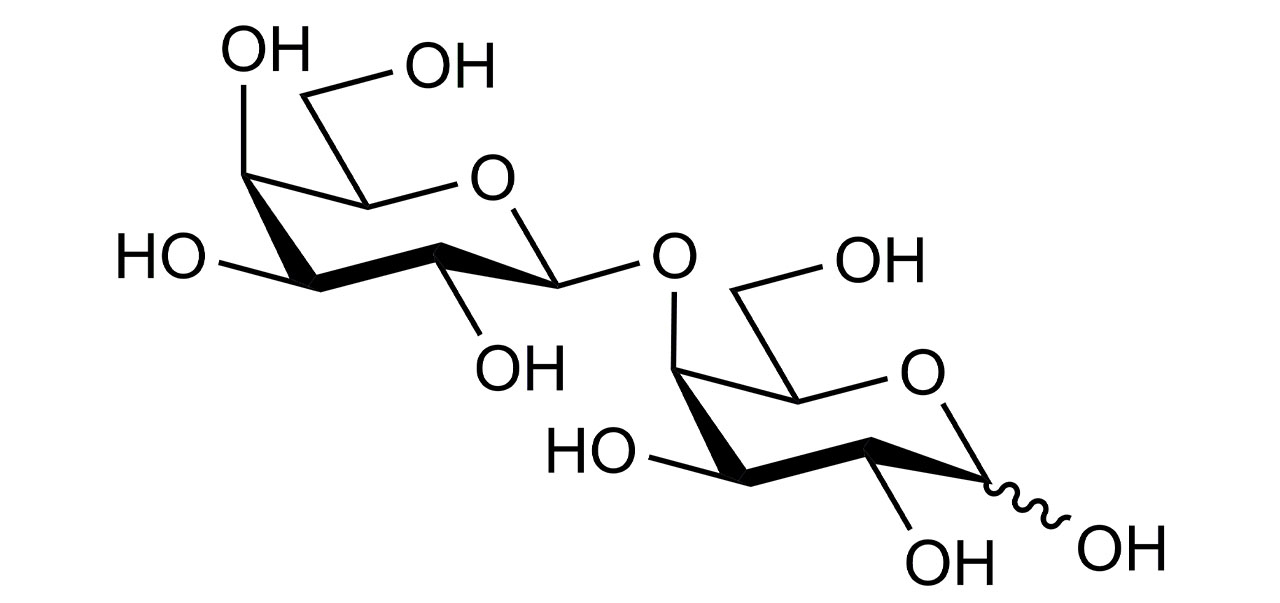
1,4-β-D-Galactobiose
O-GBI4-20MG20 mg
1,4-β-D-Galactobiose
O-GBI4-50MG50 mg
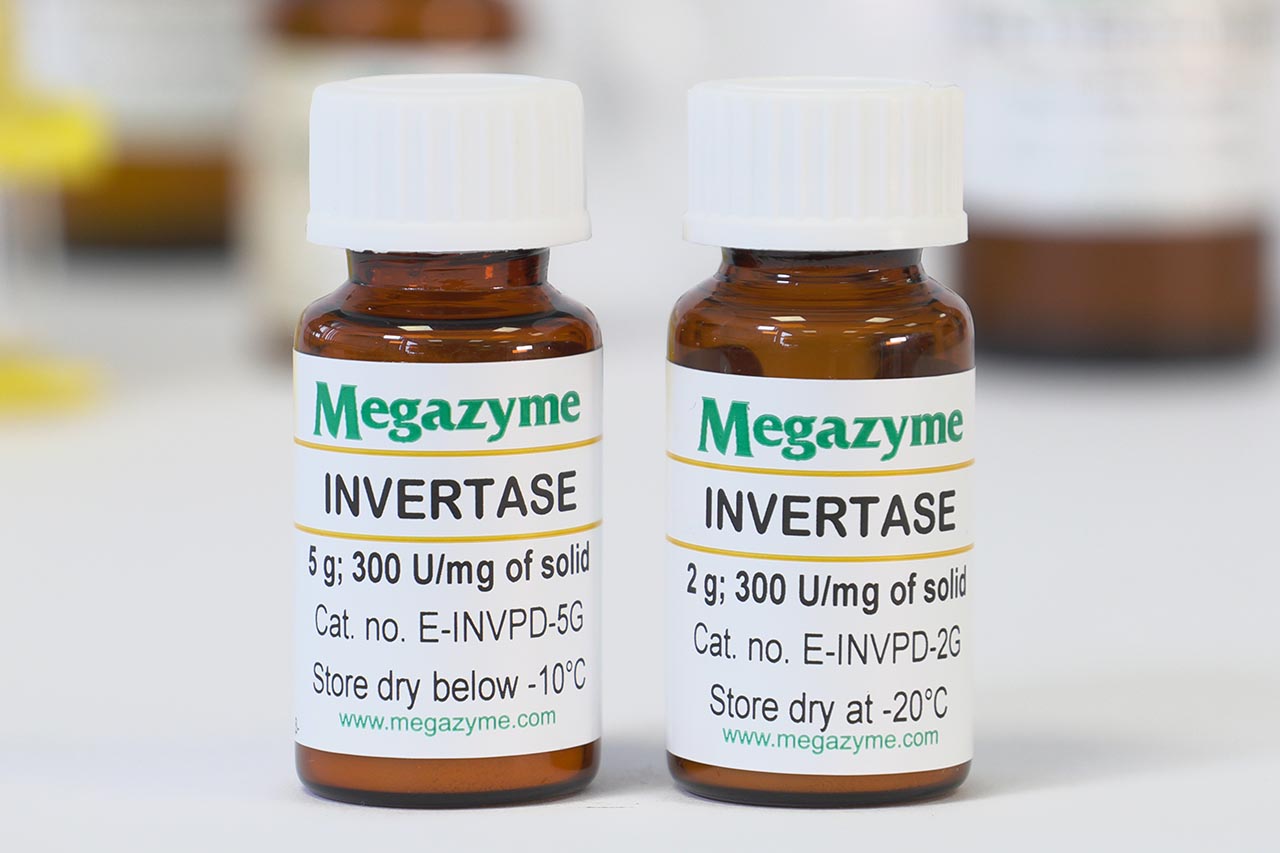
Invertase
E-INVPD-2G2 g
Invertase
E-INVPD-5G5 g
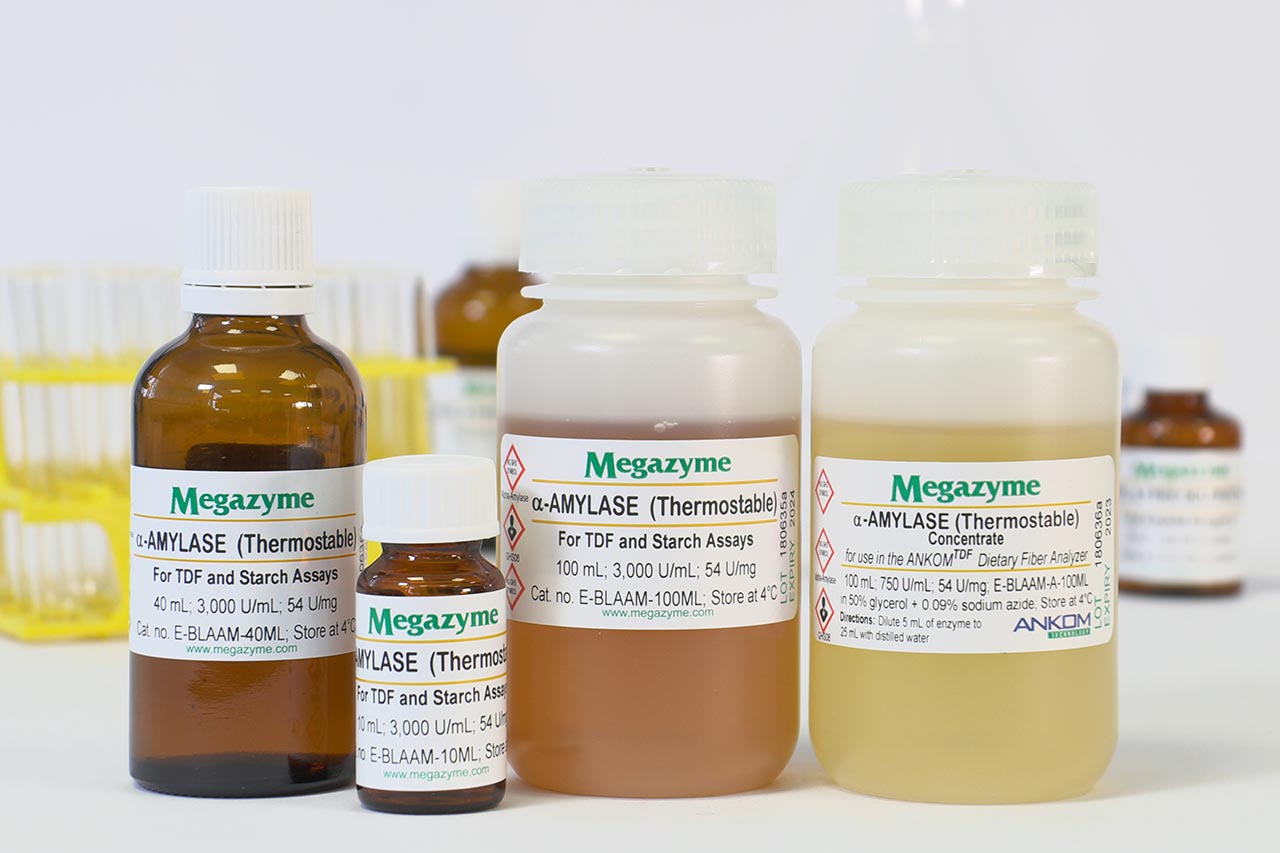
α-Amylase (Bacillus licheniformis)
700004197 / E-BLAAM-40ML40 mL - 3000 Units/mL
α-Amylase (Bacillus licheniformis)
Discontinued / E-BLAAM-10ML10 mL - 3000 Units/mL
α-Amylase (Bacillus licheniformis)
700004196 / E-BLAAM-100ML100 mL - 3000 Units/mL
α-Amylase (Bacillus licheniformis)
700004198 / E-BLAAM-A-100ML100 mL - 750 Units/mL (ANKOM)