
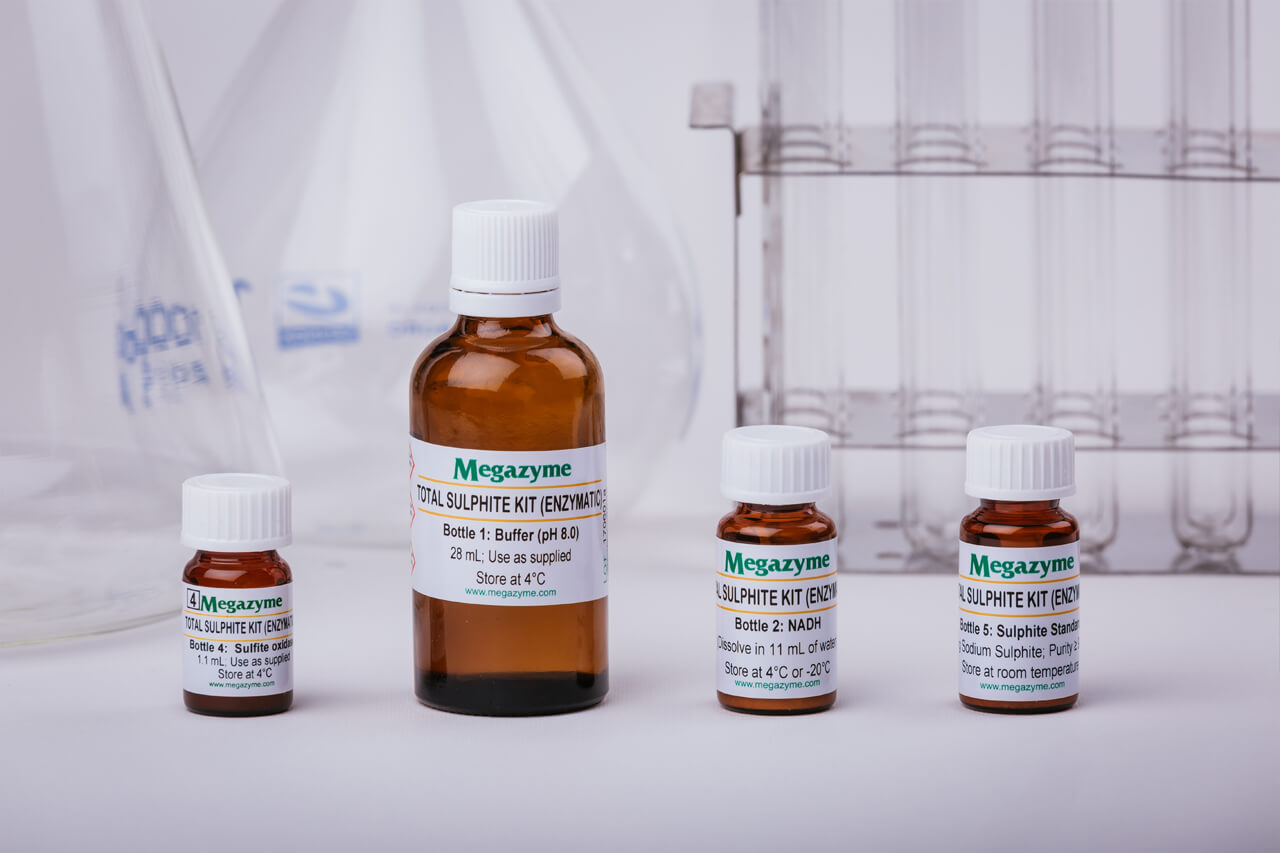
Total Sulfite Assay Kit (Enzymatic)
50 assays (manual) / 500 assays (microplate) / 588 assays (auto-analyser)
Long term stability: See individual component labels
Advantages
- Extended cofactors stability. Dissolved cofactors stable for > 1 year at 4oC.
- Very cost effective
- All reagents stable for > 2 years during use
- Simple format
- Mega-Calc™ software tool is available from our website for hassle-free raw data processing
- Standard included
- Suitable for manual, microplate and auto-analyser formats
Note for Assay Protocol: Please read this Assay Protocol carefully as changes to the protocol have occurred. Effective from 20/10/21.
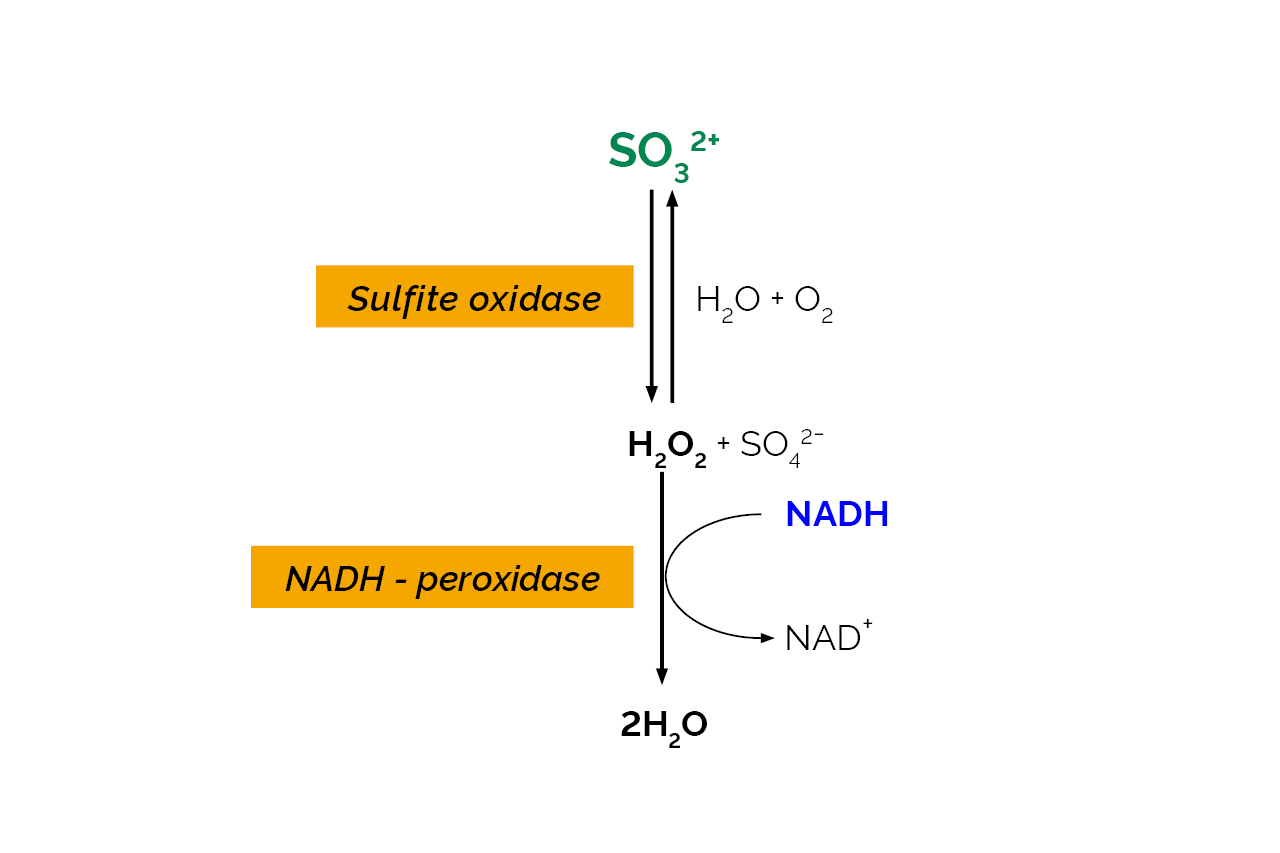
The Total Sulfite (Enzymatic) test kit for the determination of total sulfite (as SO2) in wines, beverages, foodstuffs and other materials. A simple, highly specific and reliable, enzymatic method.
For other wine sulfite test kits, view our full range of sulfite assay kits.
Note for Content: The number of manual tests per kit can be doubled if all volumes are halved. This can be readily accommodated using the MegaQuantTM Wave Spectrophotometer (D-MQWAVE).
Related Products
Similar Products
Publications

Impact of storage conditions on the oxidative stability of beer.
Ferreira, I. M., Carvalho, D. O. & Guido, L. F. (2022). European Food Research and Technology, 1-8.
Impact of storage conditions on the oxidative stability of beer.
Ferreira, I. M., Carvalho, D. O. & Guido, L. F. (2022). European Food Research and Technology, 1-8.
The impact of different storage conditions on the generation of radicals was evaluated through electronic paramagnetic resonance (EPR) detection of spin adducts based on the Fenton reaction, after an accelerated aging of beer (55°C for 150 min). The different conditions applied, namely storage time and temperature, have clearly demonstrated to affect the beer oxidative stability. The greater endogenous antioxidant potential (higher lag phase values) observed for fresh beers is due to the higher levels of SO2. In contrast, the higher levels of radicals observed after 150 min of accelerated aging are related to the higher content of iron in fresh beers. Lower levels of SO2 and iron found in aged beers are therefore related to the lower endogenous antioxidant potential and the lower levels of radicals after 150 min of accelerated aging, respectively. According to our model for shelf-life prediction, the best-before date of beer can be reduced from 6 months, if stored at 20°C, to as little as 9 days if it is stored at 37°C.
Safety Information
Download Safety Data Sheet
Select a specific region and the Safety Data Sheet will open in a new window. Please make sure your browser doesn’t block pop-up windows

Receive Megazyme’s latest articles, news, product introductions and promotions
Customers also viewed
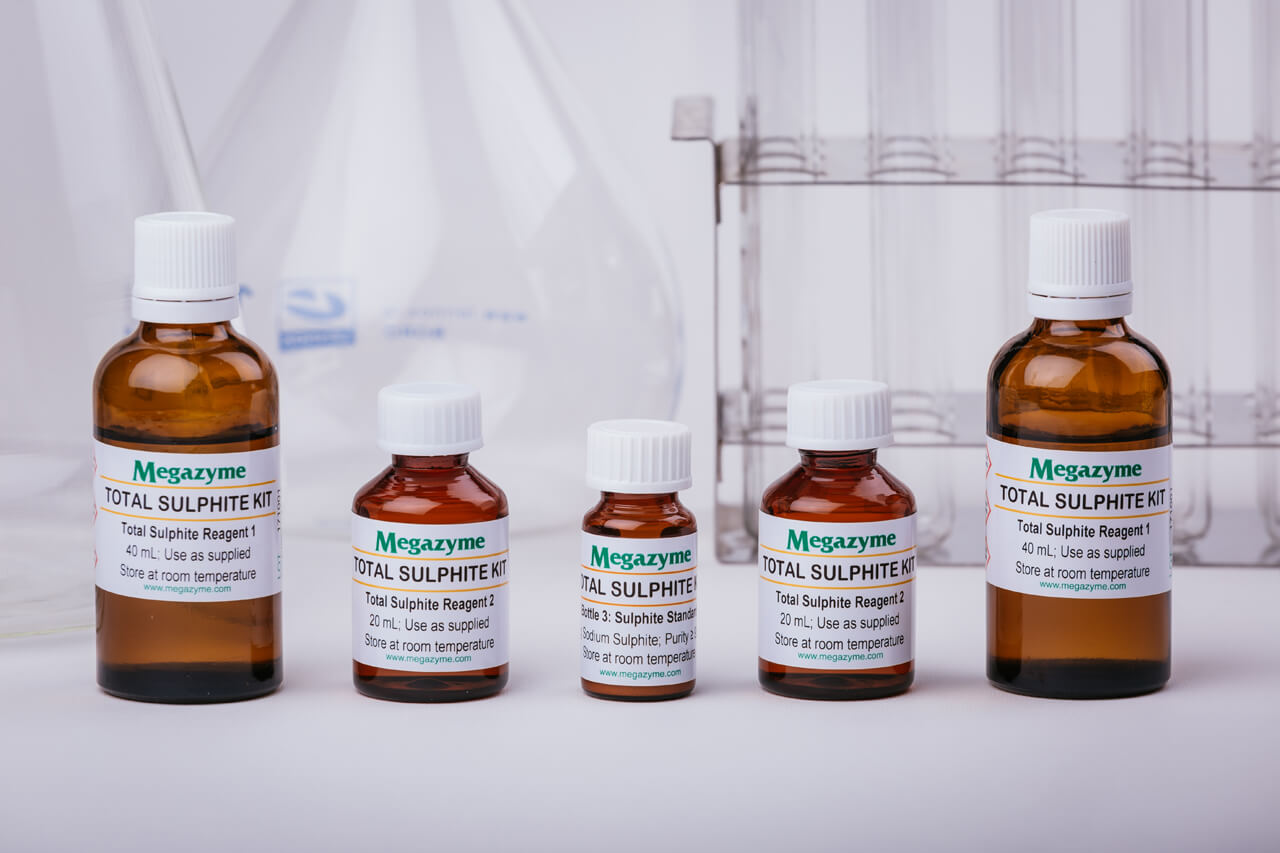
80 assays (manual) / 800 assays (microplate) / 800 assays (auto-analyser)
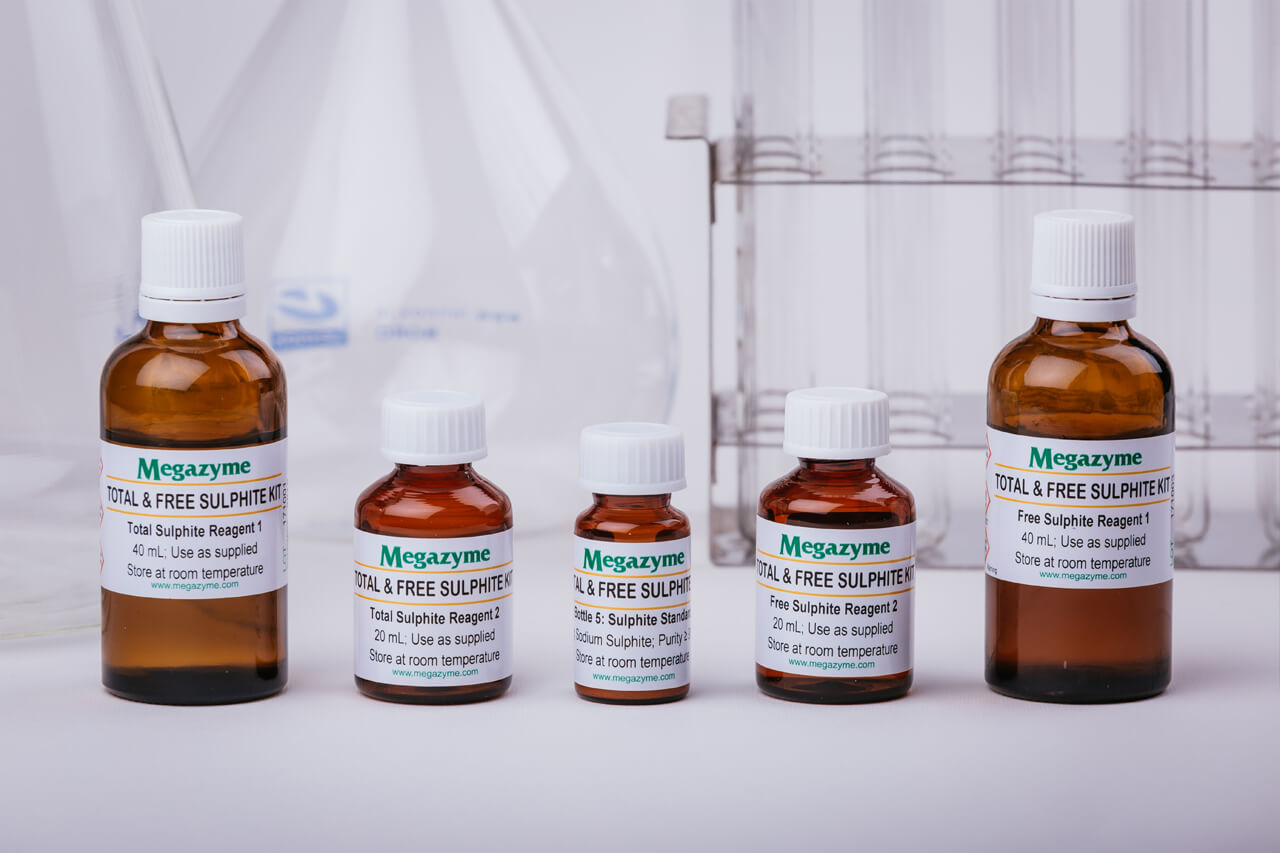
40 assays of each (manual) / 400 assays of each (microplate) / 400 assays of each (auto-analyser)
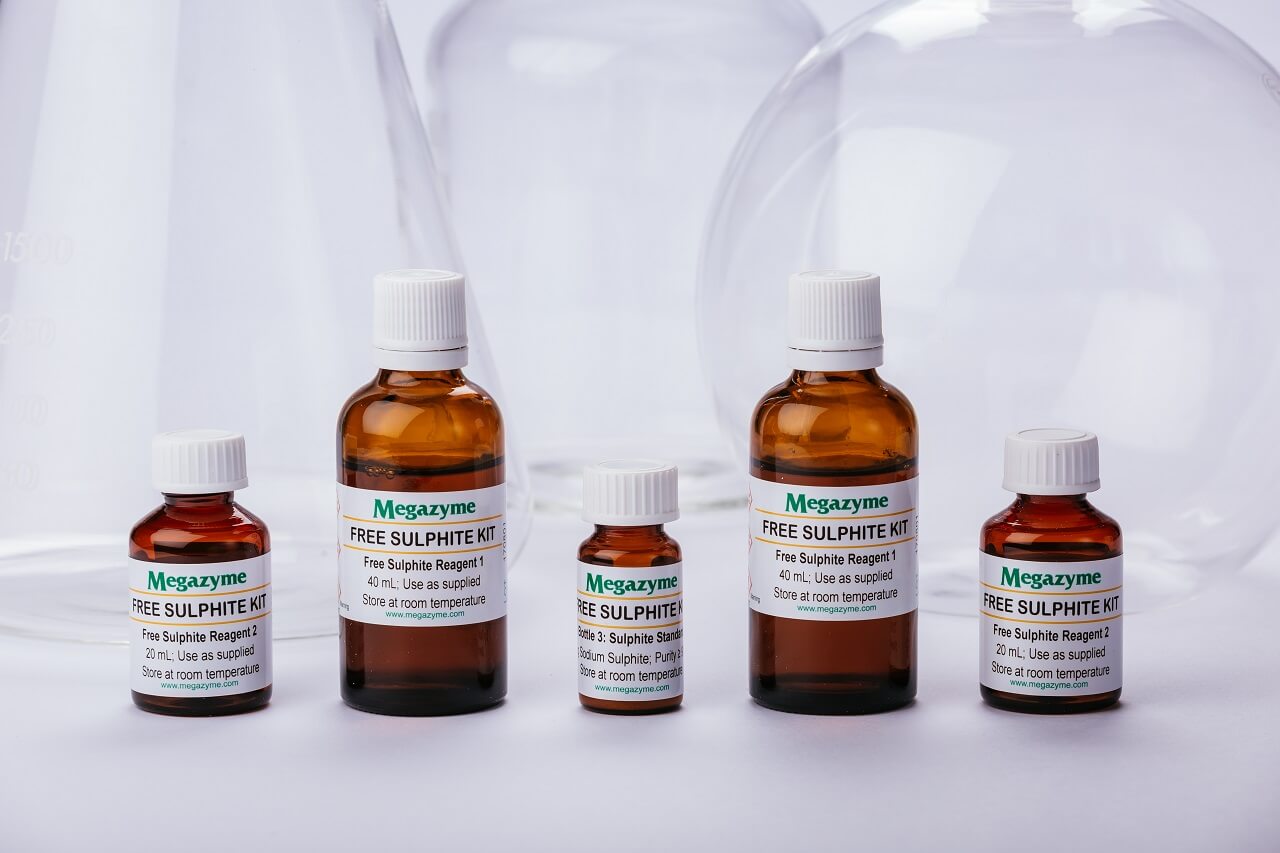
80 assays (manual) / 800 assays (microplate) / 800 assays (auto-analyser)
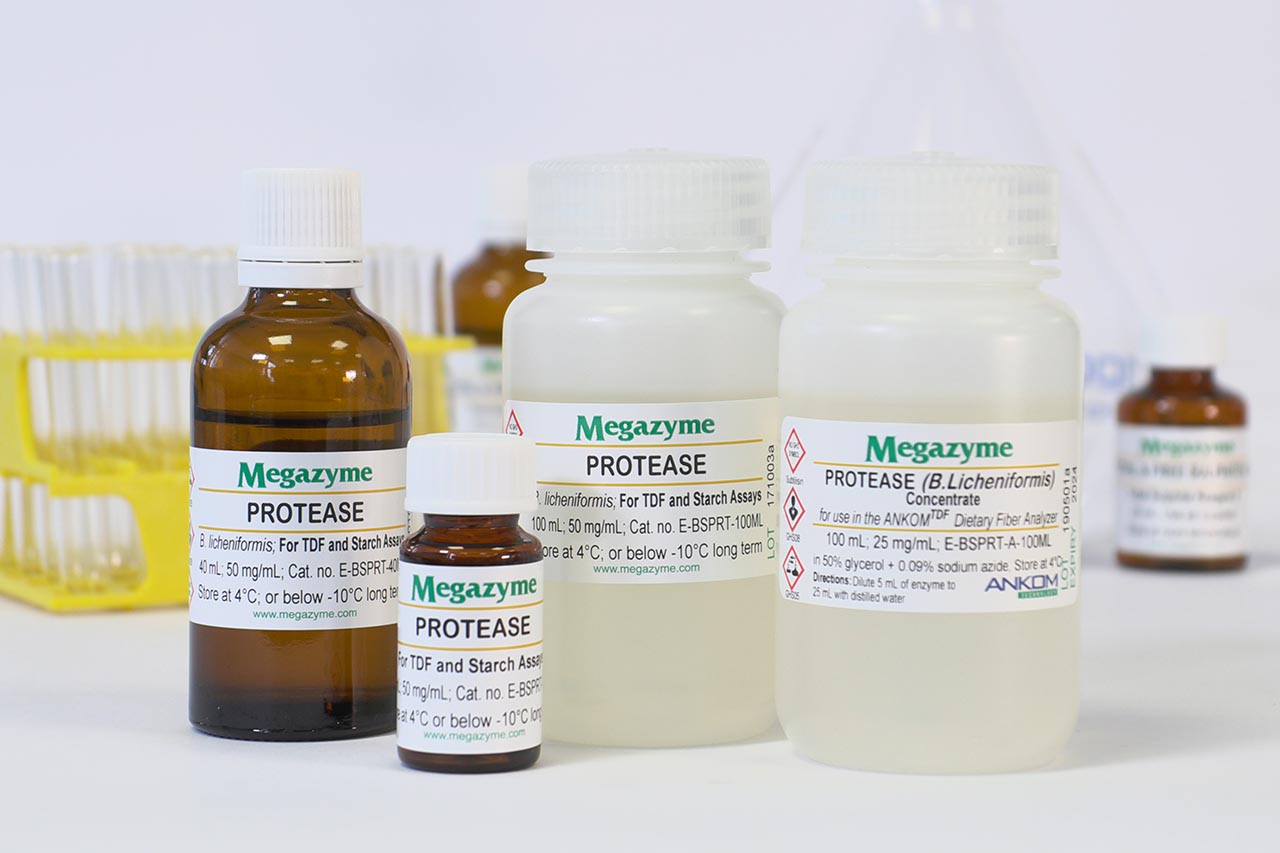
Protease (Subtilisin A from Bacillus licheniformis)
700004202 / E-BSPRT-40ML2 grams - 40ML
Protease (Subtilisin A from Bacillus licheniformis)
Discontinued / E-BSPRT-10ML0.5 grams - 10ML
Protease (Subtilisin A from Bacillus licheniformis)
700004201 / E-BSPRT-100ML5 grams - 100ML
Protease (Subtilisin A from Bacillus licheniformis)
700004203 / E-BSPRT-A-100ML2.5 grams - 100ML (ANKOM)


