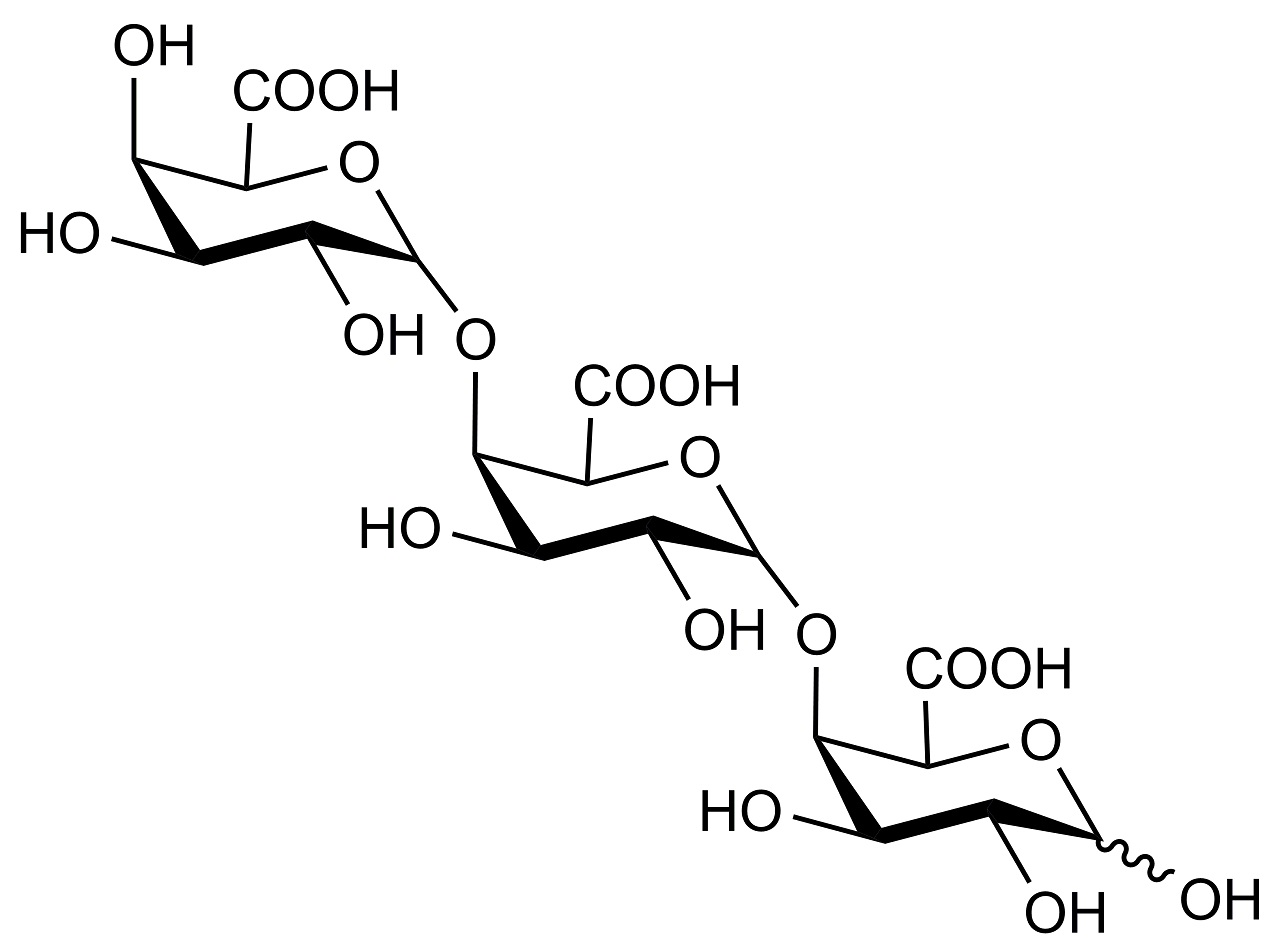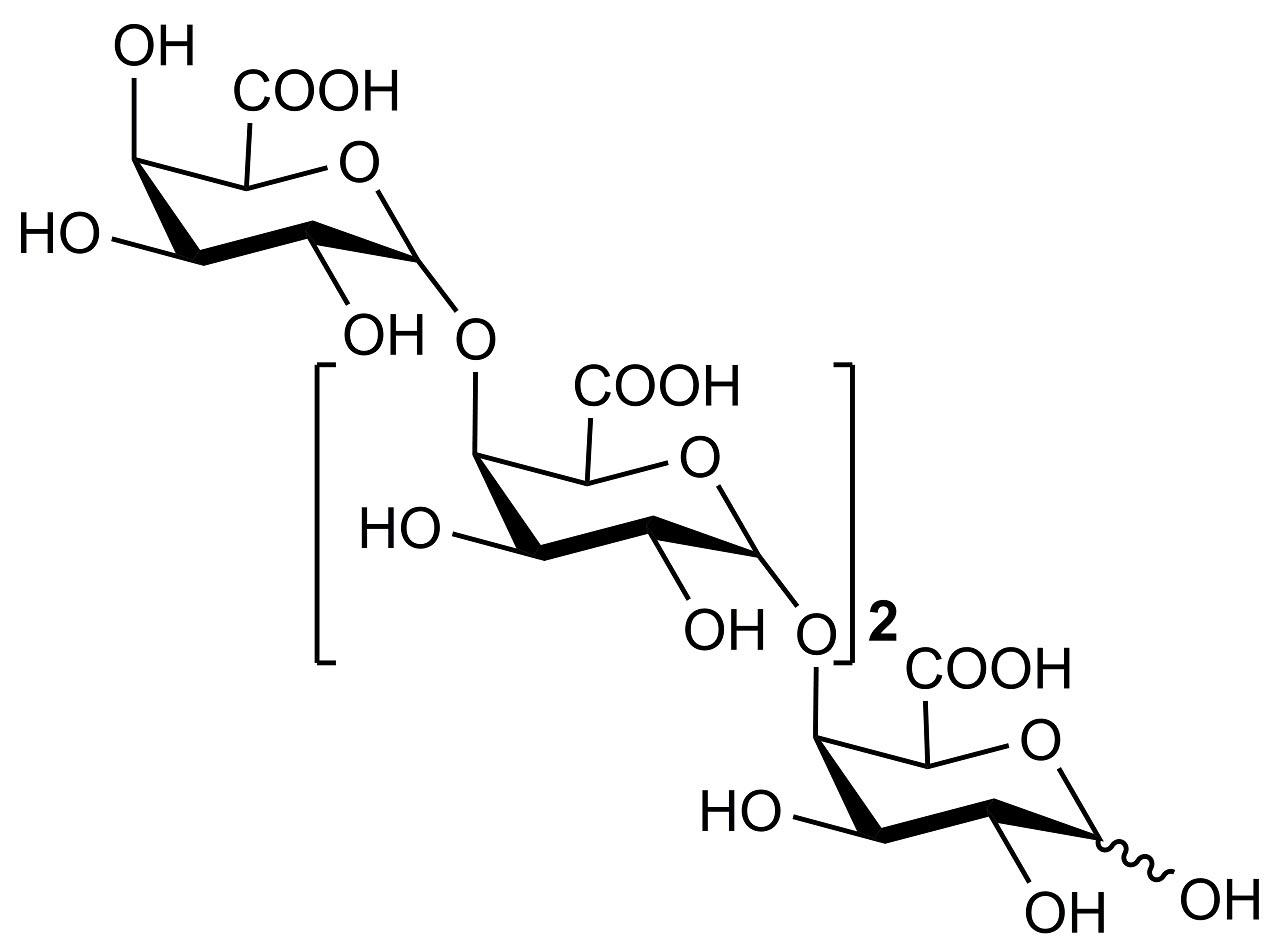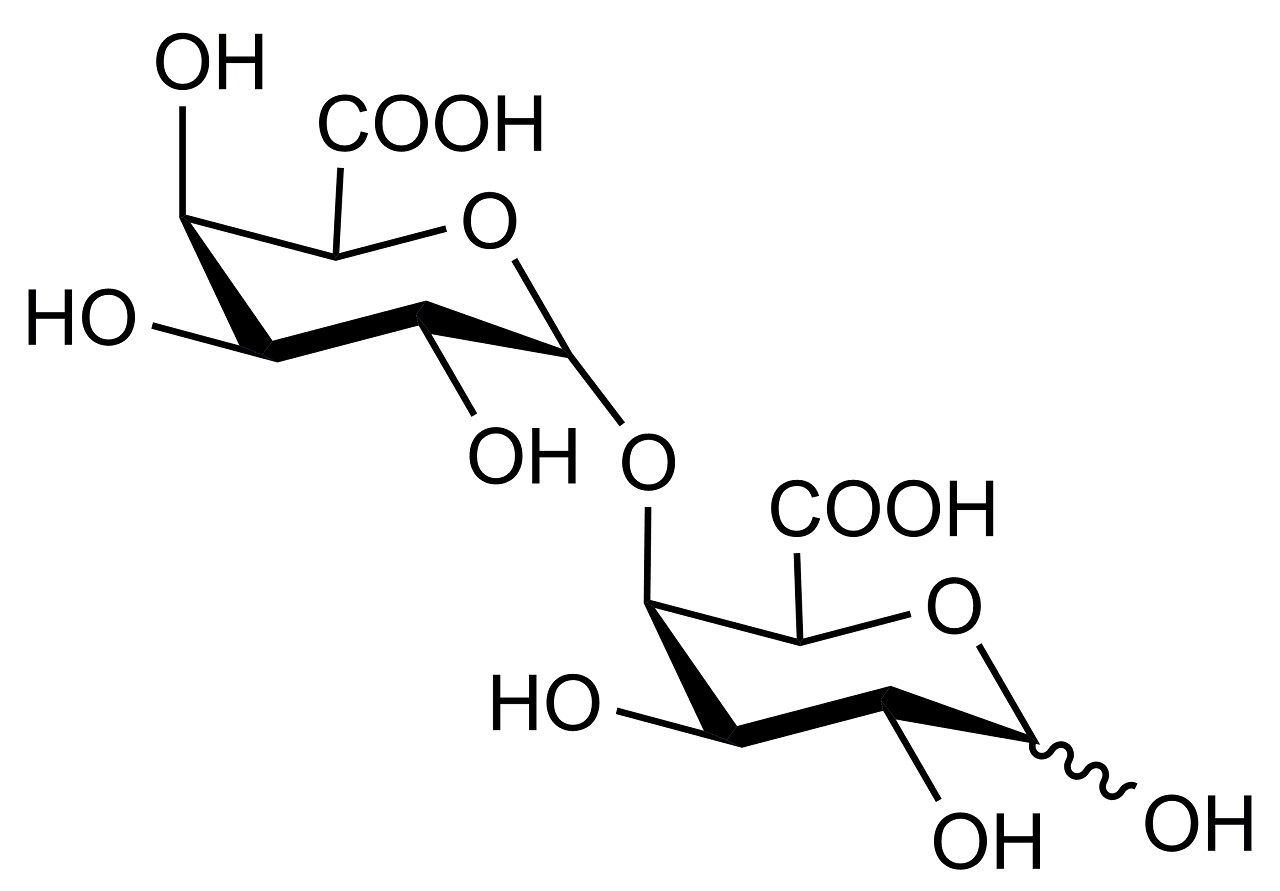
Digalacturonic acid
10 mg
This product has been discontinued
This product has been discontinued.
High purity Digalacturonic acid for use in research, biochemical enzyme assays and analytical testing applications.
Related Products
Similar Products
Associated Enzymes
Related Products
Publications

Synergistic pectin deconstruction is a prerequisite for mutualistic interactions between honeybee gut bacteria.
Tang, J., Zuo, W., Guo, L., Han, Z., Yang, C., Han, B., Yang, C., Han, B., Dai, L. & Zhou, X. (2024). Nature Communications, 15(1), 6937.
Synergistic pectin deconstruction is a prerequisite for mutualistic interactions between honeybee gut bacteria.
Tang, J., Zuo, W., Guo, L., Han, Z., Yang, C., Han, B., Yang, C., Han, B., Dai, L. & Zhou, X. (2024). Nature Communications, 15(1), 6937.
The honeybee gut microbiome is crucial for degrading diverse pollen glycans. Yet it is unclear how this process shapes the interactions among bacteria. Here, we demonstrate a conditional mutualistic interaction between strains of two honeybee gut bacteria Bifidobacterium asteroides and Gilliamella apicola. When co-occurring in vitro and in vivo, Bifidobacterium provides complementary demethylation service to promote Gilliamella growth on methylated homogalacturonan, an enriched polysaccharide of pectin. In exchange, Gilliamella shares digestive products with Bifidobacterium, through which a positive interaction is established. This positive interaction vanishes when Bifidobacterium is not required on a non-methylated diet. Results from biochemical and gene expression analyses combined with model simulation further suggest that the ratio change of the two major homogalacturonan breakdown products, galacturonic acid (GalA) and di-GalA, determines the bacterial interaction. This study unravels how glycan metabolism may shape the interactions between honeybee gut bacteria.
Safety Information
Download Safety Data Sheet
Select a specific region and the Safety Data Sheet will open in a new window. Please make sure your browser doesn’t block pop-up windows