
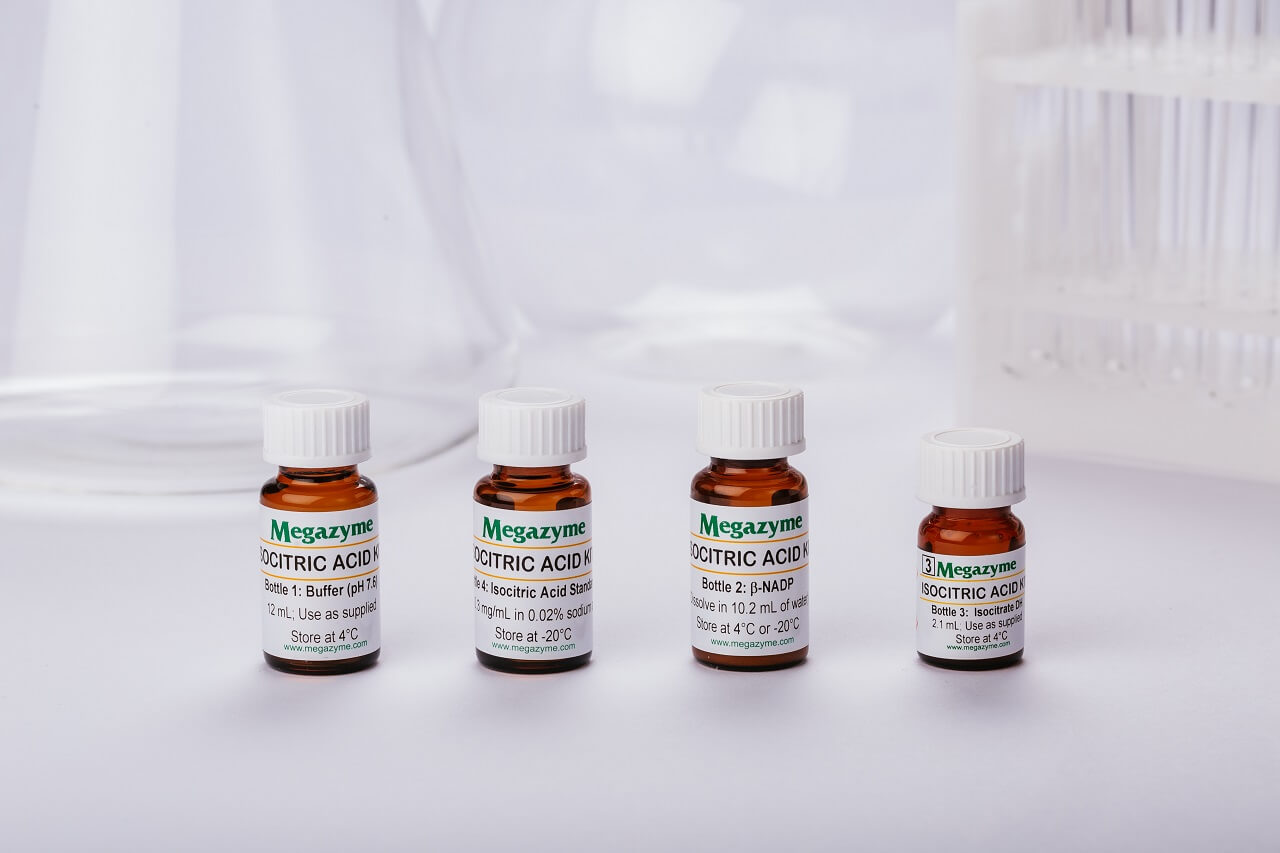
D-Isocitric Acid Assay Kit
100 assays (manual) / 1000 assays (microplate) / 1000 assays (auto-analyser)
Long term stability: See individual component labels
Advantages
- Very competitive price (cost per test)
- All reagents stable for > 2 years after preparation
- No wasted isocitrate dehydrogenase solution (stable suspension supplied)
- Very rapid reaction
- Mega-Calc™ software tool is available from our website for hassle-free raw data processing
- Standard included
- Suitable for manual, microplate and auto-analyser formats
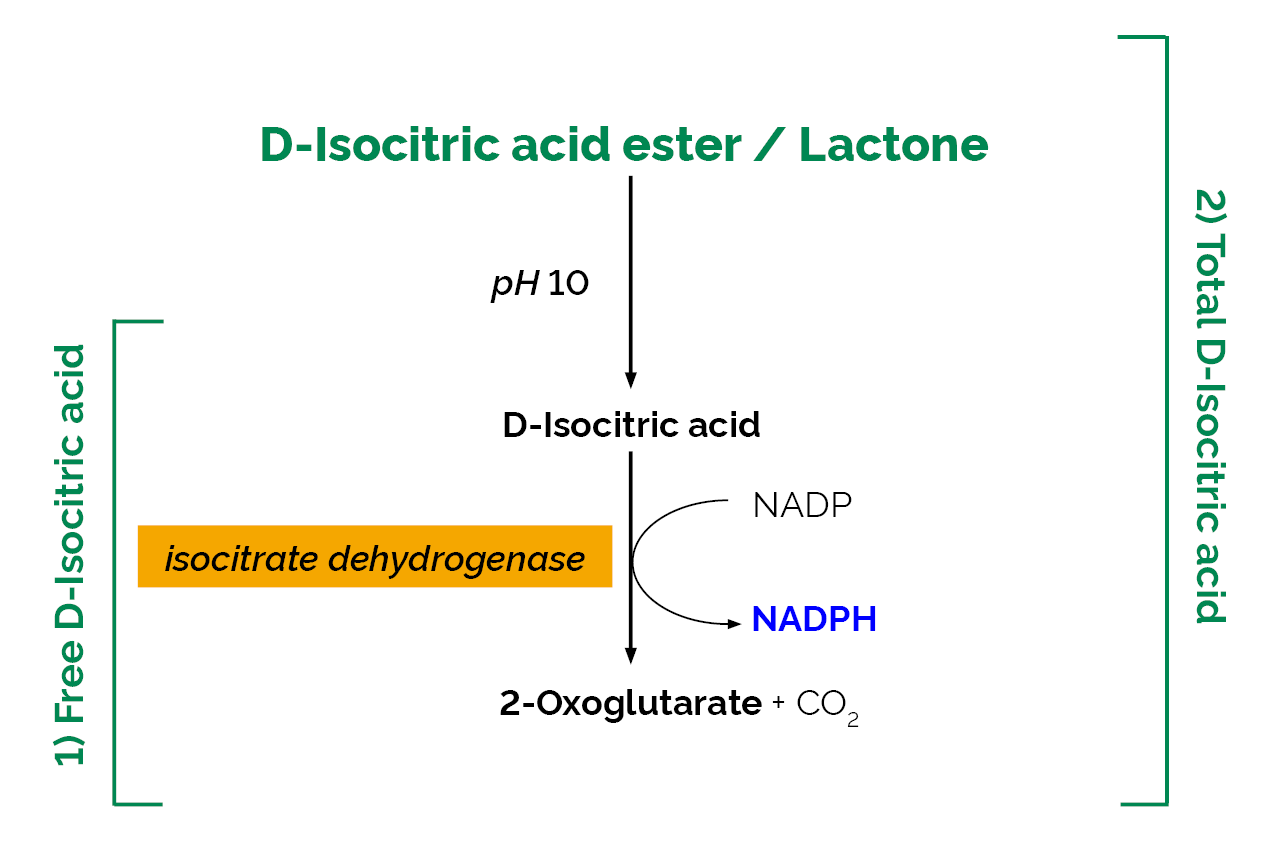
The D-Isocitric Acid test kit is for the specific and rapid measurement and analysis of D-isocitric acid in fruit juices.
Note for Content: The number of manual tests per kit can be doubled if all volumes are halved. This can be readily accommodated using the MegaQuantTM Wave Spectrophotometer (D-MQWAVE).
View our full list of organic acid assay kit products.
Related Products
Similar Products
Publications

Egermeier, M., Russmayer, H., Sauer, M. & Marx, H. (2017). Frontiers in Microbiology, 8(49).
Egermeier, M., Russmayer, H., Sauer, M. & Marx, H. (2017). Frontiers in Microbiology, 8(49).
The yeast Yarrowia lipolytica is a fascinating microorganism with an amazing metabolic flexibility. This yeast grows very well on a wide variety of carbon sources from alkanes over lipids, to sugars and glycerol. Y. lipolytica accumulates a wide array of industrially relevant metabolites. It is very tolerant to many environmental factors, above all the pH value. It grows perfectly well over a wide pH range, but it has been described, that the pH has a decisive influence on the metabolite pattern accumulated by this yeast. Here, we set out to characterize the metabolism of different Y. lipolytica strains, isolated from various environments, growing on glycerol at different pH values. The conditions applied for strain characterization are of utmost importance. Shake flask cultures lead to very different results, when compared to controlled conditions in bioreactors regarding pH and aeration. Only one of the tested strains was able to accumulate high amounts of citric acid in shake flask experiments, whereas a group of six strains turned out to accumulate citric acid efficiently under controlled conditions. The present study shows that strains isolated from dairy products predominantly accumulate sugar alcohols at any given pH, when grown on glycerol under nitrogen-limitation.
Safety Information
Download Safety Data Sheet
Select a specific region and the Safety Data Sheet will open in a new window. Please make sure your browser doesn’t block pop-up windows

Receive Megazyme’s latest articles, news, product introductions and promotions
Customers also viewed
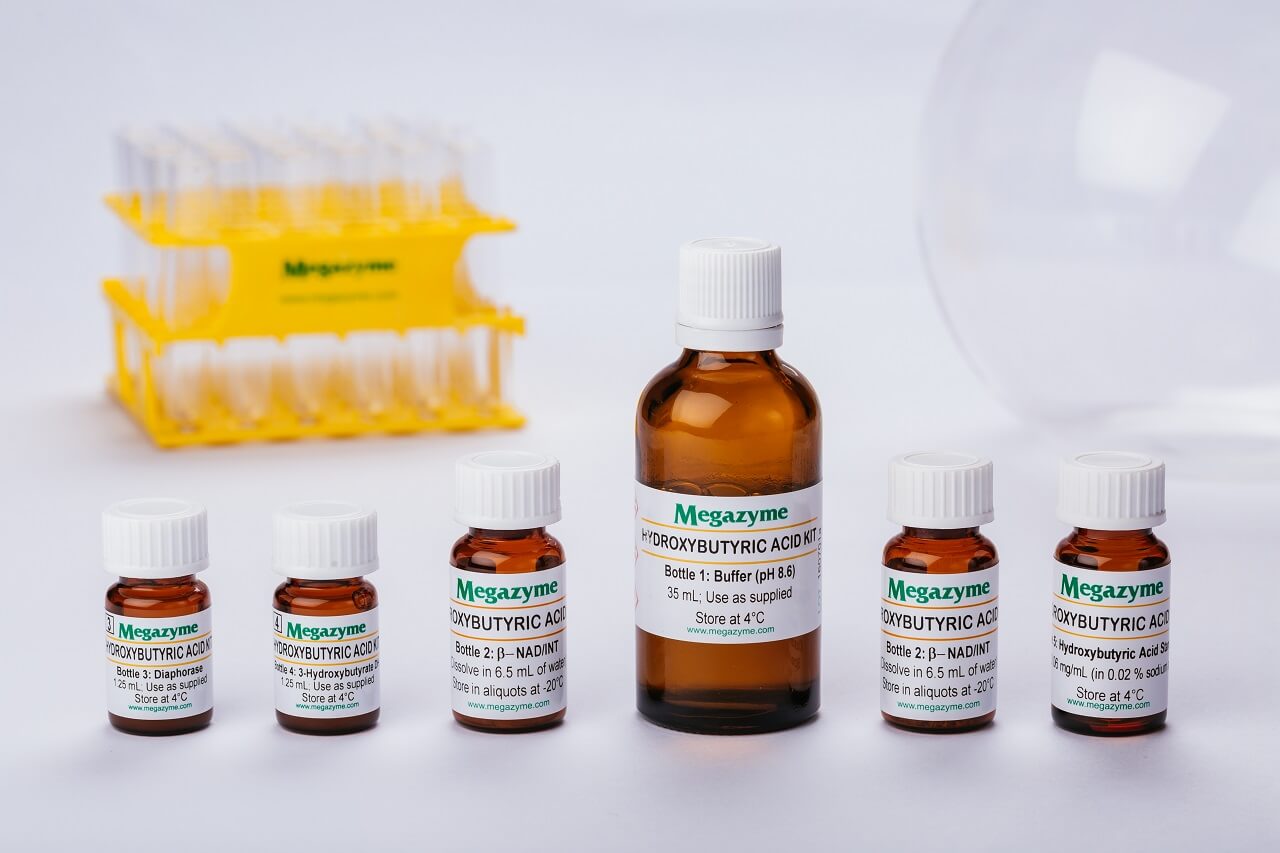
60 assays (manual) / 600 assays (microplate) / 740 assays (auto-analyser)
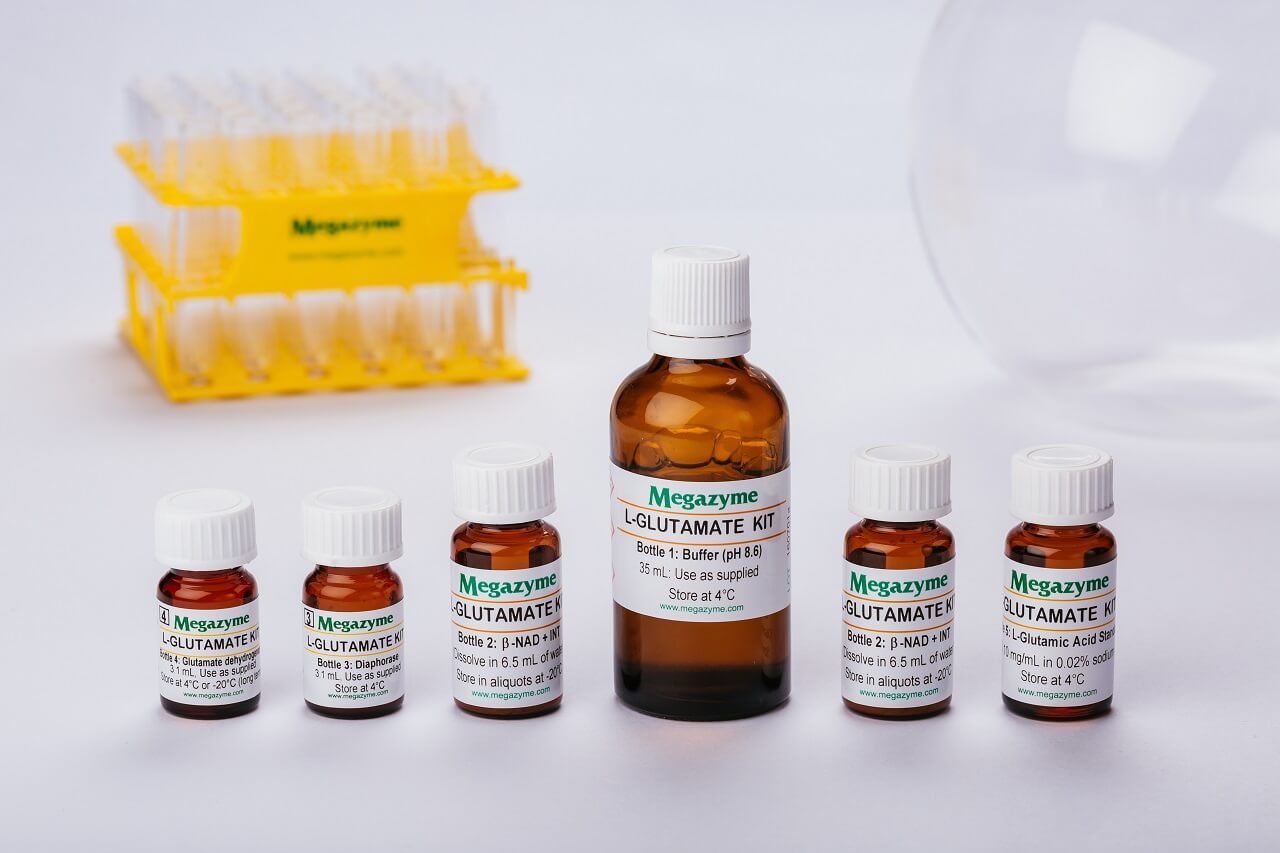
60 assays (manual) / 600 assays (microplate) / 700 assays (auto-analyser)
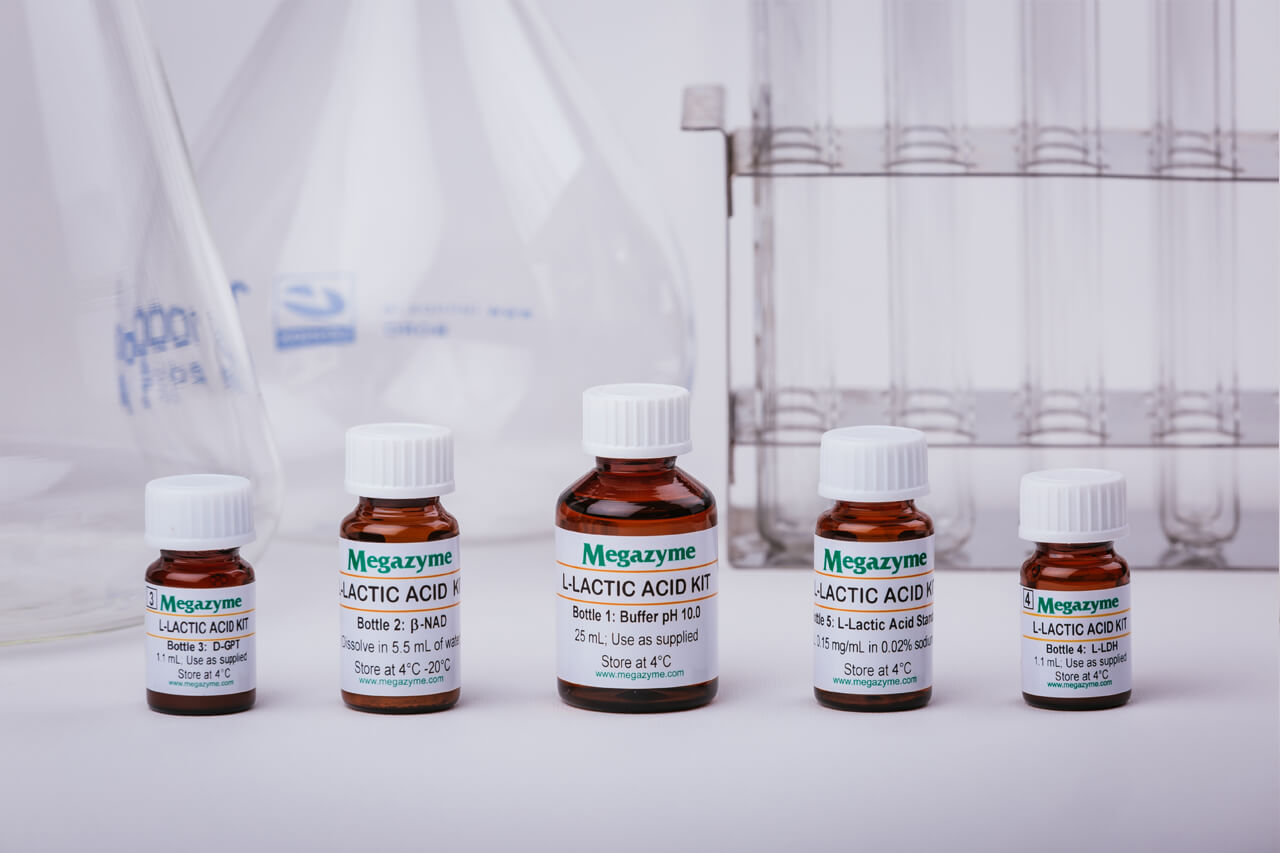
50 assays (manual) / 500 assays (microplate) / 450 assays (auto-analyser)
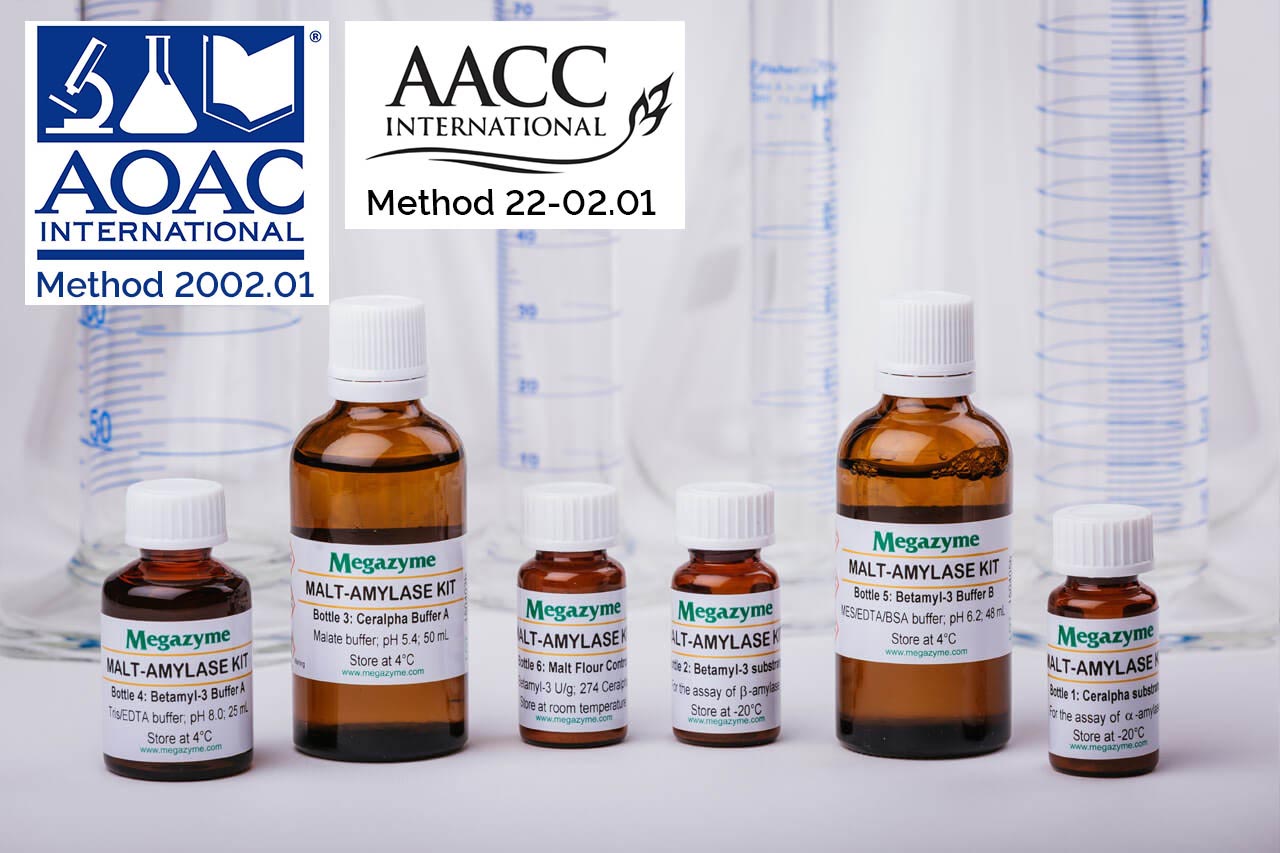
25 assays (manual) / 250 assays (microplate) / 220 assays (auto-analyser)


